

Have you ever laid down at night, closed your eyes, and waited for sleep to come—but your mind just wouldn’t stop? You scroll your phone, turn sides, stare at the ceiling, and wonder why sleep feels so distant. If this sounds familiar, you’re not alone.
Insomnia has quietly become one of the most common lifestyle problems in today’s world. With long screen hours, stress, caffeine, and irregular routines, millions of people are losing their natural ability to fall asleep peacefully.
But here’s the good news — nature already has all the tools you need to bring your sleep back on track.
Let’s explore 10 deeply effective home remedies for insomnia, inspired by Ayurveda, science, and lifestyle wisdom, that can help you reclaim your nights naturally.
1. Golden Milk – Ancient Ayurvedic Bedtime Tonic

For centuries, Indian households have relied on warm milk with turmeric or nutmeg as a bedtime drink. This isn’t just tradition — it’s biology.
Milk contains tryptophan, which boosts serotonin and melatonin, your body’s natural sleep hormones. Adding turmeric reduces inflammation and relaxes your muscles.
How to Use:
- Warm one cup of cow’s or almond milk.
- Add ¼ teaspoon of turmeric powder and a pinch of nutmeg.
- Stir and sip slowly 30 minutes before bedtime.
Why It Works:
The warmth calms the nervous system, while tryptophan signals the brain that it’s time to rest. It’s comfort in a cup — soothing, grounding, and deeply relaxing.
2. Chamomile & Lavender Tea – Nature’s Gentle Sedatives

Herbal teas are one of the simplest yet most powerful natural remedies for insomnia. Chamomile is rich in apigenin, a compound that binds to brain receptors to reduce anxiety and promote sleepiness.
Lavender tea, on the other hand, has a mild aroma that relaxes your mind almost instantly.
How to Use:
- Boil one cup of water.
- Add one chamomile tea bag (or 1 tsp dried flowers).
- Steep for 5–7 minutes and enjoy before bed.
You can also combine chamomile + lavender for a double dose of calm.
Pro Tip:
Avoid black tea, coffee, or green tea at night — they contain caffeine that blocks melatonin production.
3. Aromatherapy – Let Fragrance Heal Your Mind
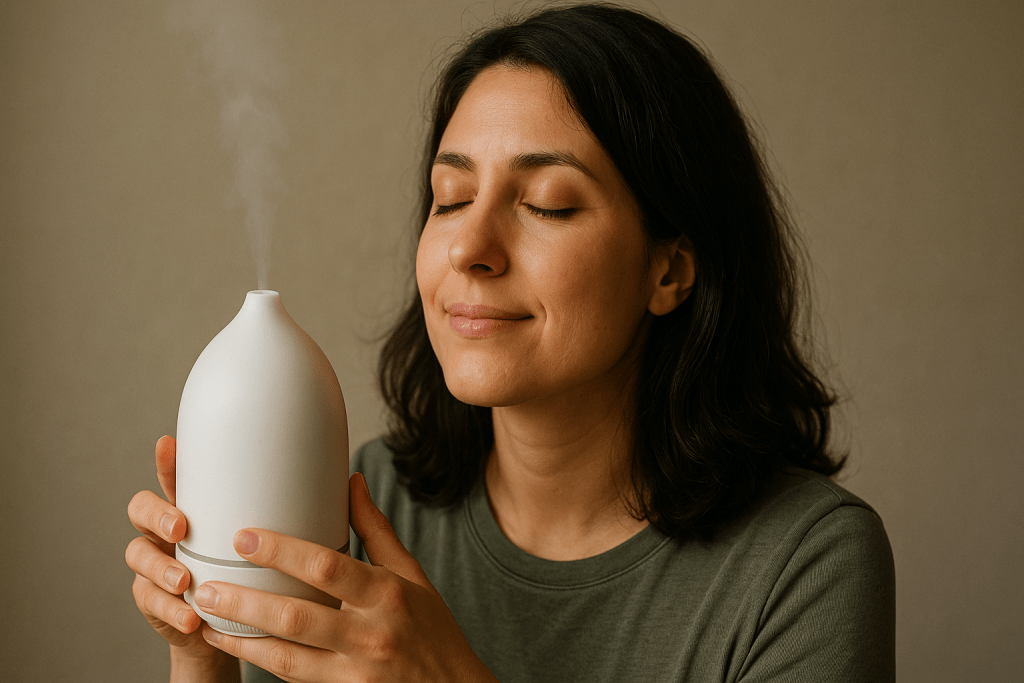
Your sense of smell has a direct connection with the brain’s emotional center (the limbic system). That’s why a simple scent can change your mood instantly.
Essential oils like lavender, sandalwood, ylang-ylang, and jasmine can create a calm mental environment that invites sleep.
How to Use:
- Diffuse lavender oil in your bedroom for 20–30 minutes before sleep.
- Add 3–4 drops of essential oil to your pillow or apply (diluted) on your temples.
- For extra relaxation, add a few drops to your bathwater.
Why It Works:
Aromatherapy lowers heart rate and blood pressure, reducing stress signals and guiding your body toward rest.
4. Mindfulness & Deep Breathing – Calming the Racing Mind

When your mind is overactive, your body can’t rest.
Practicing mindfulness meditation and deep breathing before bed helps release mental clutter and emotional stress.
Try This 4-7-8 Breathing Method:
- Inhale deeply for 4 seconds
- Hold for 7 seconds
- Exhale slowly for 8 seconds
Repeat this cycle 5–10 times. Within minutes, your heart rate slows and your mind begins to calm.
Ayurvedic View:
According to Ayurveda, insomnia is linked to aggravated Vata dosha—associated with restlessness and overthinking. Deep breathing brings Vata back into balance.
5. Set a Sacred Sleep Routine (Dinacharya)

Our bodies thrive on rhythm.
If your bedtime is different every night, your biological clock gets confused. Ayurveda emphasizes Dinacharya, or daily routine, as the foundation for good sleep.
Create a Personal Sleep Ritual:
- Go to bed and wake up at the same time every day.
- Dim the lights 1 hour before bed.
- Avoid late-night work or heavy meals after 8 p.m.
- Disconnect from screens and social media.
Consistency is key — your body learns when to release melatonin when you follow a steady schedule.
6. Take a Warm Bath with Epsom Salt

A warm bath relaxes tense muscles, eases joint stiffness, and lowers body temperature after bathing—signaling your body that it’s time to sleep.
Adding Epsom salt (magnesium sulfate) enhances the calming effect since magnesium regulates melatonin and relaxes the nervous system.
How to Use:
- Fill your bathtub with warm water.
- Add 1 cup of Epsom salt and 5 drops of lavender essential oil.
- Soak for 15–20 minutes.
You’ll step out not just clean, but mentally and physically at ease.
7. Eat Sleep-Friendly Foods

You are what you eat — and your dinner can either be your best friend or worst enemy when it comes to sleep.
Foods That Help You Sleep:
- Bananas – rich in magnesium and tryptophan.
- Kiwi – high in serotonin and antioxidants.
- Almonds – provide magnesium and healthy fats.
- Oats – contain melatonin.
- Tart cherry juice – naturally boosts melatonin levels.
Avoid at Night:
- Coffee, cola, dark chocolate, and spicy foods.
- Heavy, oily dinners or late-night snacks.
Expert Tip:
Have a light, warm dinner — think khichdi, vegetable soup, or milk-based porridges.
8. Ashwagandha & Ayurvedic Herbs for Deep Rest

Ayurveda offers a treasure chest of herbs for sleep disorders, and Ashwagandha is the king among them.
It’s an adaptogen — a herb that helps your body adapt to stress and restore hormonal balance.
How to Use:
- Mix 1 tsp Ashwagandha powder in warm milk before bed.
- Or take 300–500 mg standardized extract daily.
Other Helpful Ayurvedic Herbs:
- Jatamansi (Spikenard): Calms the mind, reduces anxiety.
- Tagar (Valerian): Mild natural sedative.
- Brahmi: Improves focus and reduces restlessness.
These herbs don’t just induce sleep — they nourish your nervous system and restore long-term balance.
9. Head Massage – Shiro Abhyanga Therapy

A warm oil massage before sleep is one of the most deeply relaxing rituals you can adopt.
According to Ayurveda, massaging the scalp with Brahmi oil, sesame oil, or coconut oil calms the mind, cools the body, and improves blood flow to the brain.
How to Do It:
- Warm 2 tbsp of oil (avoid very hot).
- Massage gently into the scalp, temples, and back of the neck for 10 minutes.
- Leave overnight or rinse in the morning.
Benefits:
- Promotes relaxation and deeper sleep.
- Reduces mental fatigue, headaches, and anxiety.
- Enhances hair health too — a beautiful bonus!
10. Digital Detox & Mental Unwinding

Blue light from screens is the enemy of sleep. It tricks your brain into thinking it’s still daytime by blocking melatonin production.
So the simplest way to sleep better? Step away from your screens.
Try This Evening Routine:
- Turn off your phone or switch to “Do Not Disturb” mode an hour before bed.
- Read a light book or listen to calm instrumental music.
- Try journaling — write 3 things you’re grateful for each night.
Your brain will associate evenings with peace instead of digital chaos.
FAQ: Common Questions About Insomnia and Natural Sleep Remedies
Q1. What is the main cause of insomnia?
Insomnia usually occurs due to stress, anxiety, irregular sleep routines, excessive screen time, caffeine intake, or poor lifestyle habits. In Ayurveda, it’s linked to an imbalance in the Vata dosha, which affects the nervous system and mind. Emotional distress and late-night digital habits are major modern causes.
Q2. Can insomnia be cured naturally without sleeping pills?
Yes, insomnia can be cured naturally in most cases.
Practicing sleep hygiene, maintaining a consistent bedtime routine, using Ayurvedic herbs like Ashwagandha and Brahmi, and avoiding stimulants before bed can help restore your natural sleep rhythm without any medication.
Q3. What is the best Ayurvedic herb for sleep?
Ashwagandha is considered the best Ayurvedic herb for insomnia. It reduces cortisol (the stress hormone) and promotes relaxation.
Other helpful herbs include Jatamansi, Tagar (Valerian root), and Brahmi, which calm the mind and nourish the nervous system for deeper rest.
Q4. How can I fall asleep fast naturally?
To fall asleep faster:
- Drink warm turmeric milk or chamomile tea before bed.
- Avoid phone or TV screens at least 1 hour before sleeping.
- Practice 4-7-8 deep breathing or meditation to calm your mind.
- Keep your room dark, cool, and quiet for a peaceful environment.
These steps train your brain to relax and prepare for rest naturally.
Q5. How much sleep do adults really need?
Most adults need 7–9 hours of quality sleep each night.
However, it’s not just about quantity — deep and undisturbed sleep is what truly rejuvenates the body. Consistent routines, balanced diet, and a relaxed mind help achieve that level of rest.
Q6. Is drinking warm milk before bed good for insomnia?
Absolutely! Warm milk is one of the oldest and most effective home remedies for insomnia.
It contains tryptophan, which helps your brain produce serotonin and melatonin—the hormones that control sleep. Add a pinch of nutmeg or turmeric for even better results.
Q7. What foods help you sleep better?
Foods rich in magnesium, tryptophan, and melatonin promote better sleep.
Some examples are:
- Bananas
- Almonds
- Kiwi
- Oats
- Tart cherry juice
Avoid caffeine, sugar, and heavy meals close to bedtime for optimal rest.
Q8. Can stress and overthinking cause insomnia?
Yes. Stress and overthinking are two of the biggest triggers of insomnia. When your mind is overloaded with thoughts, your body stays in “alert mode,” making it hard to relax.
Practicing mindfulness, yoga, journaling, or aromatherapy before sleep can help calm your thoughts and ease you into rest.
Q9. How long does it take to fix insomnia naturally?
It depends on the person and the cause.
Mild insomnia may improve within 1–2 weeks of following natural remedies and a strict sleep schedule.
Chronic insomnia might take a few months of consistent lifestyle changes — but with dedication, results are long-lasting and pill-free.
Q10. When should I consult a doctor for insomnia?
If you have severe sleeplessness for more than 3 weeks, or if insomnia affects your daily functioning, focus, or mood, it’s best to consult a doctor or sleep specialist.
There could be underlying causes such as sleep apnea, depression, or thyroid imbalance that need
Lifestyle Habits for Restful Sleep
Here are a few extra habits to complement your natural remedies:
- Get morning sunlight — it resets your internal clock.
- Exercise regularly — yoga, walking, or stretching boosts sleep quality.
- Avoid daytime naps longer than 30 minutes.
- Keep your bedroom cool and clutter-free.
- Stay hydrated, but avoid too much water close to bedtime.
Final Thoughts
Insomnia doesn’t need to rule your life. With small, consistent changes — and by listening to your body — you can restore your natural rhythm of rest.
These 10 home remedies for insomnia blend Ayurvedic wisdom, modern science, and mindful living, helping you sleep peacefully without dependency on sleeping pills.
Remember — sleep is not a luxury. It’s your body’s natural reset button.
Give yourself permission to rest, to slow down, and to heal.
Because when you sleep better, you live better.
EXTERNAL LINKS (Trusted authority sources)
- National Sleep Foundation on Insomnia https://www.sleepfoundation.org/insomnia
- Chamomile Tea for Sleep – Medical News Today https://www.medicalnewstoday.com/articles/drinks-that-help-you-sleep
- Kiwi & Sleep Study – PubMed https://pubmed.ncbi.nlm.nih.gov/21669584/


2 thoughts on “10 Powerful Home Remedies for Insomnia – Sleep Better Naturally”