
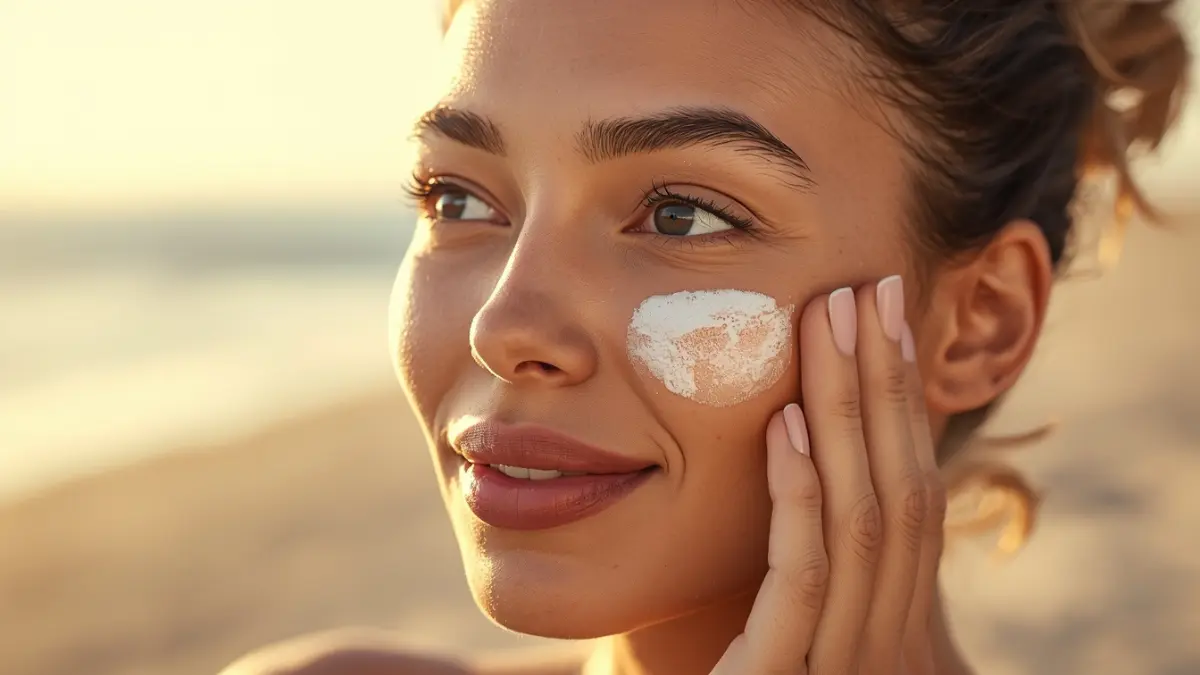
Your skin is aging faster than you think — even on days when the sun doesn’t feel strong.
The real danger isn’t sunlight itself, it’s what most people don’t know about sunscreen.
In this ultimate sunscreen guide, you’ll learn how sunscreen actually works, the truth about SPF, hidden side effects, and how to choose the right sunscreen for your skin without falling for marketing myths.
What Is Sunscreen? (The Real Definition)
Sunscreen is not a cosmetic product. It is a biological protection system designed to defend your skin against ultraviolet (UV) radiation before it can trigger inflammation, cellular damage, premature aging, and long-term DNA mutations.
Sunlight contains different types of radiation, but the two that directly damage human skin are:
- UVA rays – penetrate deep into the skin and accelerate aging.
- UVB rays – affect the surface layer and cause sunburn and skin cancer.
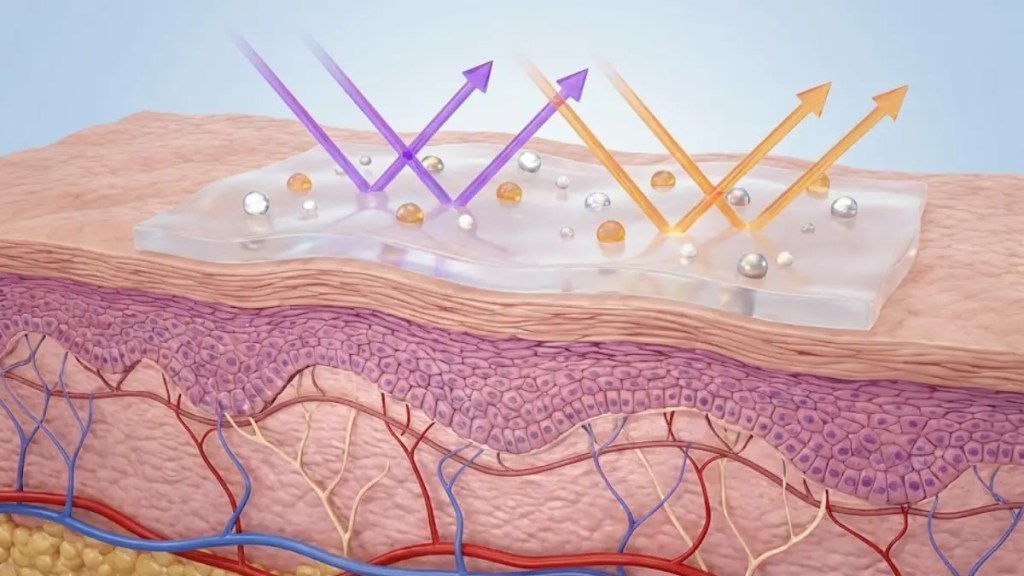
Sunscreen works like a microscopic shield. It either absorbs UV radiation and neutralizes it, or reflects it away from your skin before it enters the cells.
Without sunscreen, UV rays slowly destroy collagen, damage skin proteins, disrupt pigmentation, and increase cancer risk — even if you never get sunburn.
How Sunscreen Actually Works (Science, Not Marketing)
At a cellular level, UV radiation creates oxidative stress. This stress damages:
- DNA inside skin cells
- Collagen and elastin fibers
- Skin’s natural immune defense
Sunscreen interrupts this process.
There are two main mechanisms:
1. Chemical Sunscreen
Chemical filters absorb UV radiation and convert it into harmless heat energy.
Common ingredients:
- Avobenzone
- Octinoxate
- Oxybenzone
- Homosalate
These formulas are lightweight and invisible, but can irritate sensitive skin.
2. Physical (Mineral) Sunscreen
Mineral filters sit on the skin surface and reflect UV rays.
Key ingredients:
- Zinc oxide
- Titanium dioxide
These are safer for sensitive and acne-prone skin but may leave a slight white cast.
Modern sunscreens often use hybrid technology — combining both systems for better coverage and stability.
Understanding SPF (Most People Get This Wrong)
SPF does not mean “how strong the sunscreen is”.
It means how long your skin is protected from UVB damage.
SPF logic:
- SPF 15 → blocks ~93% UVB
- SPF 30 → blocks ~97% UVB
- SPF 50 → blocks ~98% UVB
The difference between SPF 30 and SPF 50 is small. The real protection comes from:
- how much you apply
- how often you reapply
SPF 100 is mostly a marketing illusion. No sunscreen blocks 100% UV radiation.
Types of Sunscreen (Complete Classification)
Sunscreen can be categorized in four powerful ways.
By Spectrum
- Broad-spectrum sunscreen → protects against UVA + UVB
This is non-negotiable. Anything without broad-spectrum is incomplete.
By Skin Type
- Oily skin → gel, oil-free sunscreen
- Dry skin → cream-based sunscreen
- Acne-prone skin → non-comedogenic sunscreen
- Sensitive skin → mineral sunscreen
By Form
- Cream
- Gel
- Lotion
- Spray
- Stick
- Powder
By Usage
- Daily sunscreen
- Sports sunscreen
- Beach sunscreen
- Kids sunscreen
There is no “best sunscreen”. There is only best sunscreen for your skin type and lifestyle.
Benefits of Sunscreen (Medical + Cosmetic)
Sunscreen is one of the few skincare products with both cosmetic and medical value.
1. Prevents Sunburn
UVB radiation triggers inflammation. Sunscreen blocks this before redness and pain begin.
2. Reduces Skin Cancer Risk
Long-term UV exposure is directly linked to:
- Basal cell carcinoma
- Squamous cell carcinoma
- Melanoma
Sunscreen lowers cumulative lifetime UV damage.
3. Slows Skin Aging
UVA rays destroy collagen. Sunscreen preserves:
- firmness
- elasticity
- youthful texture
4. Controls Pigmentation
Dark spots, melasma, uneven tone — all worsen without sunscreen.
5. Protects Skin Barrier
Healthy skin barrier = better hydration, immunity, and repair.
Hidden Side Effects of Sunscreen (The Truth)
Sunscreen is safe, but not perfect.
1. Skin Irritation
Chemical filters may cause itching, redness, or burning.
2. Eye Stinging
Especially with spray sunscreens.
3. Acne Breakouts
Comedogenic formulas clog pores.
4. Allergic Reactions
Rare but possible with fragrance or preservatives.
5. Hormone Disruption Myth
Some studies raised concerns about oxybenzone, but real-world human risk remains extremely low.
For most people, not using sunscreen is far more dangerous than using it.
How to Choose the Right Sunscreen (Decision System)
This is where most people fail.
If your skin is:
- Oily → Gel + SPF 30 + oil-free
- Dry → Cream + SPF 30+
- Acne → Non-comedogenic
- Pigmented → PA++++
- Sensitive → Zinc-based mineral sunscreen
- Outdoor → SPF 50+ water resistant
Ignore brand hype. Read ingredients and skin type compatibility.
How to Apply Sunscreen Correctly (Most Critical Section)
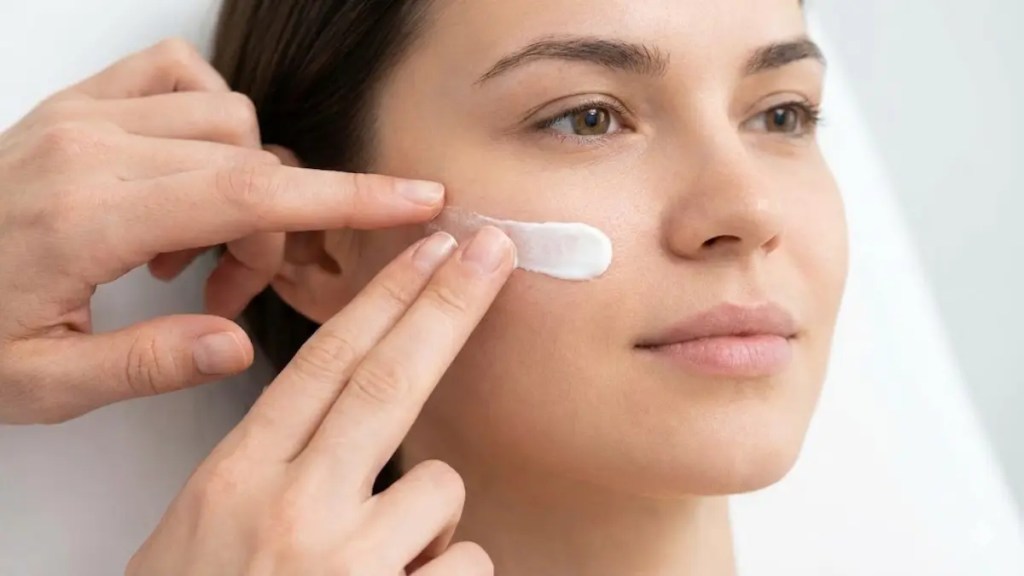
Wrong application = useless sunscreen.
Correct method:
- Face & neck → 2 finger-length amount
- Body → one shot glass
- Apply 20 minutes before sun
- Reapply every 2–3 hours
- After swimming or sweating → reapply immediately
Sunscreen should always be the last step before makeup.
Sunscreen Myths vs Reality
Myth: Dark skin doesn’t need sunscreen
Reality: All skin tones suffer UV damage.
Myth: Indoor sunscreen is useless
Reality: UVA penetrates windows.
Myth: Cloudy days are safe
Reality: Up to 80% UV passes through clouds.
Myth: Sunscreen causes vitamin D deficiency
Reality: Diet + short sun exposure is enough.
Sunscreen for Special Groups
Children
Use mineral-based sunscreen only.
Pregnant Women
Avoid fragrance and chemical-heavy formulas.
Men
Men get more UV exposure than women. Sunscreen is not cosmetic — it’s preventive medicine.
Athletes
Use water-resistant SPF 50+.
Environmental Impact of Sunscreen
Some sunscreens harm coral reefs and marine life.
Look for:
- Reef-safe formulas
- No oxybenzone
- No octinoxate
Eco-friendly sunscreen is not just a trend — it’s responsible skincare.
Sunscreen Comparison Table (SEO Weapon)
| Feature | Chemical Sunscreen | Mineral Sunscreen |
|---|---|---|
| Mechanism | Absorbs UV | Reflects UV |
| Skin feel | Lightweight | Thicker |
| Sensitive skin | Risk | Safer |
| White cast | No | Possible |
| Eye safety | Medium | High |
| Acne-prone | Medium | Better |
This comparison shows why choosing the right sunscreen is about ingredients and skin type, not brand names.
Final Conclusion
Sunscreen is not a beauty product. It is a long-term health investment.
Every day without sunscreen accelerates aging, pigmentation, and cancer risk at a cellular level.
You don’t need the most expensive sunscreen.
You need the right sunscreen, used correctly, consistently.
Protecting your skin today means preserving your health tomorrow.
FAQs About Sunscreen
Is sunscreen really necessary if I stay indoors most of the day?
Yes. UVA rays penetrate through windows and glass, which means your skin is still exposed to aging radiation even while working indoors.
What is the ideal SPF for daily use?
For daily use, SPF 30 is scientifically sufficient for most people. Higher SPF is only necessary for prolonged outdoor exposure.
Can sunscreen prevent wrinkles and fine lines?
Yes. Sunscreen is the most effective anti-aging product because it prevents collagen breakdown caused by UVA radiation.
Is mineral sunscreen safer than chemical sunscreen?
Mineral sunscreens are generally safer for sensitive and acne-prone skin because they do not penetrate deeply into the skin and cause fewer allergic reactions.
Does sunscreen block vitamin D absorption?
Sunscreen reduces UVB penetration, but normal lifestyle sun exposure and dietary sources are enough to maintain healthy vitamin D levels.
How much sunscreen should I apply on my face?
You should apply approximately two finger-length strips of sunscreen to cover your face and neck properly.
Can sunscreen cause acne?
Yes, if the formula is comedogenic. People with acne-prone skin should use oil-free and non-comedogenic sunscreens.
Is it safe to use sunscreen during pregnancy?
Yes. Mineral-based sunscreens with zinc oxide are considered the safest option during pregnancy.
How often should sunscreen be reapplied?
Sunscreen should be reapplied every 2–3 hours, and immediately after sweating, swimming, or towel drying.
What happens if I stop using sunscreen?
Over time, your skin becomes more vulnerable to pigmentation, wrinkles, uneven tone, and long-term UV damage, even if you don’t see immediate effects.
Disclaimer: This article is for educational purposes only and does not replace professional medical advice. Always consult a dermatologist for personalized skin recommendations.


3 thoughts on “The Ultimate Truth About Sunscreen: Benefits, SPF, Types & Hidden Side Effects”