

You can eat three proper meals a day and still fall short of the protein your body actually needs. Then you open Amazon and find dozens of plant protein powders claiming to be clean, complete, natural, easy to digest and worth every rupee. So which one is actually worth buying? We compared five popular options on protein source, amino-acid balance, ingredients, digestion, price and everyday usability to find the best plant protein in India.
Protein Is Not Only a Gym Supplement
Protein is often treated as something you need only when you start lifting weights. That is too narrow.
Protein is a basic part of the diet because the body continuously makes and repairs proteins and tissues. The general adult reference intake is around 0.8 g protein per kg of body weight per day, while people who exercise regularly can require more depending on training volume, body composition and goals.
That does not mean everyone needs a protein powder.
A person who already gets enough protein from dal, dairy, soy, eggs, fish, chicken or other foods may not need supplementation at all. The real benefit of a protein powder is convenience: it makes it easier to close the gap when regular meals are not enough.
This is especially relevant for people following vegetarian or vegan diets, people who avoid dairy, and anyone who simply finds it difficult to consume enough protein through normal meals.
That is where choosing the best plant protein powder in India becomes useful.
Plant Protein vs Whey Protein: What Should You Actually Compare?

Whey protein has an established advantage in protein quality and essential amino-acid content. But “plant protein” is not one single type of protein.
Pea, soy and brown rice proteins have different amino-acid patterns and different nutritional characteristics. So comparing a plant powder with whey only by looking at the number printed next to “protein” on the front label is incomplete.
The label matters more than the marketing
Before buying a plant protein supplement, look at four things:
Protein per serving: How much actual protein do you get?
Protein source: Is it pea, rice, soy or a blend?
Ingredient list: Are you comfortable with the sweeteners, flavours, gums and other additions?
Digestive tolerance: Can you take it consistently without discomfort?
There is also a fifth point that is frequently ignored: taste.
A protein powder that looks perfect on paper but tastes unpleasant enough that you stop taking it is not a good everyday protein powder.
Why Pea + Brown Rice Protein Is Such an Interesting Combination
One of the strongest ideas in the plant-protein category is combining complementary protein sources.
Pea protein is naturally rich in lysine, while rice protein contributes relatively more methionine. Combining complementary plant proteins can improve the overall amino-acid balance of the finished formula. This is one reason pea-and-rice blends appear so often in modern plant protein formulations.
But do not assume every “blend” is automatically better.
The actual ratio, serving size and total protein still matter. A product can use multiple protein sources and still have a weaker formulation than a simple, high-protein isolate.
So the right question is not, “Does this have two proteins?”
It is, “Does the complete formula make sense for my needs?”
Top 5 Best Plant Protein in India
After looking at the products featured in the video and comparing what each option is designed to do, these five stand out for different reasons.
1. AS-IT-IS ONE Pea Protein Isolate — Best Budget-Friendly Simple Option
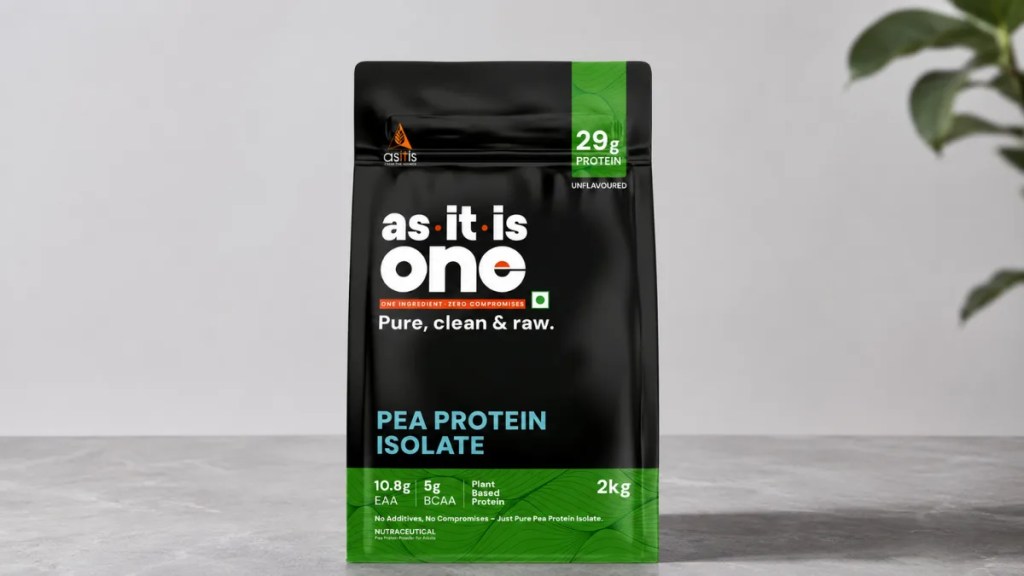
This is the most straightforward product in the list.
AS-IT-IS ONE Pea Protein Isolate is a single-ingredient, unflavoured pea protein isolate. The manufacturer currently lists 29 g protein per serving, with no added blends, fillers or artificial ingredients.
That simplicity is the main reason to consider it.
There is no elaborate flavour system to hide behind. You get pea protein, and you can add it to smoothies, oats, curd or other foods according to your preference.
It is particularly suitable for someone who wants a relatively simple pea protein isolate in India and cares more about protein value than flavour.
Affiliate Link: https://link.amazon/B0dcVuF0X
2. The Whole Truth Plant Protein — Best for Flavour and Whole-Food Ingredients
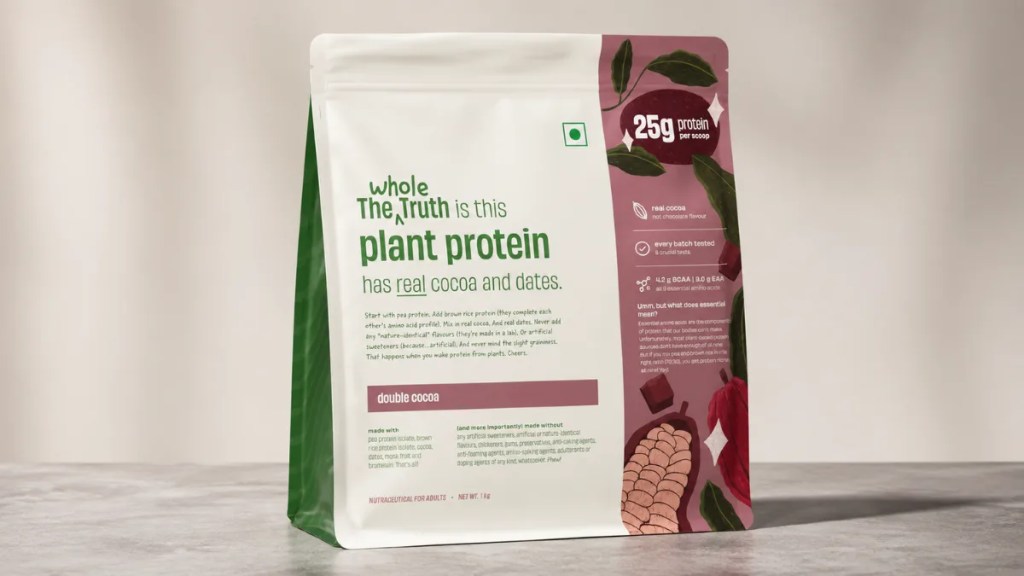
The Whole Truth takes a very different approach.
Its current plant protein range includes formulations using golden pea protein and brown rice protein, with versions such as Double Cocoa and Pista Badaam. The Pista Badaam formulation, for example, uses real pista, almonds, dates and cardamom rather than relying on artificial sweeteners and conventional flavour systems.
That makes it interesting for buyers who want a flavoured protein but also care about the ingredient story.
It is more expensive than a basic unflavoured isolate, but the trade-off is a more premium formulation and a product designed to be enjoyable enough for regular use.
Affiliate Link: https://link.amazon/B0gAMOybM
3. Nutabay Pure Pea Protein Isolate — Best for a Simple Unflavoured Formula
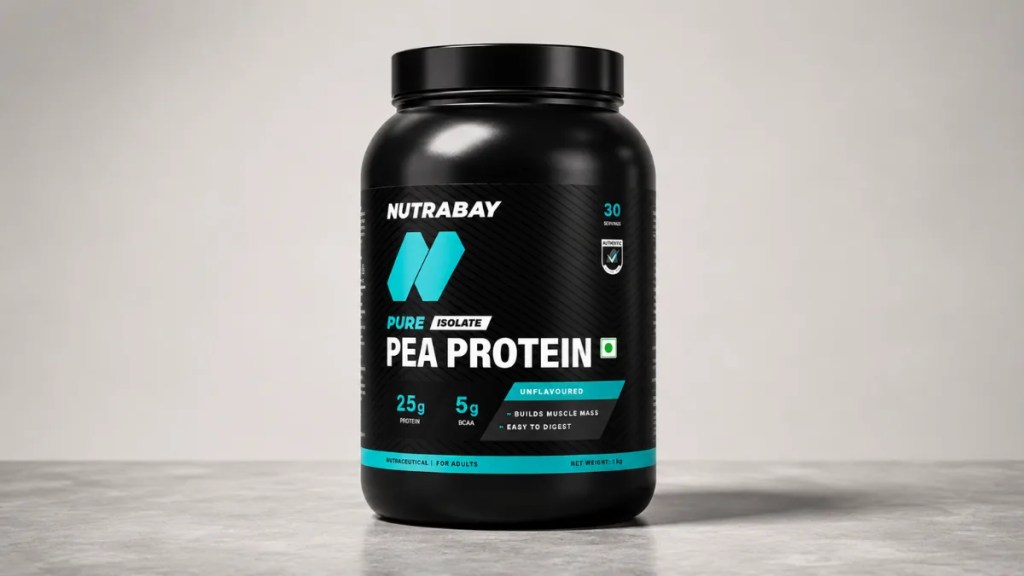
The third category from the video is a straightforward nutrabay pure pea protein isolate.
This type of product is for the buyer who does not want a complicated formula. No major flavour experience, no long ingredient list—just a concentrated plant protein source.
One current Indian option in this category is Nakpro Pea Protein Isolate, which the manufacturer lists in 1 kg packs and unflavoured as well as flavoured variants.
The important point is to check the exact product label before buying because brands can change pack sizes, flavours and formulations over time.
Affiliate Link: https://link.amazon/B0dNrO6MF
4. AS-IT-IS Protein Blend Complex — Best for a Multi-Source Formula

This option takes the opposite approach to a single-ingredient isolate.
The formulation discussed in the video combines plant protein sources such as pea, soy and rice, with additional ingredients designed around amino-acid support and digestion.
That can be useful for people who do not specifically want a single-source protein and prefer the convenience of a broader blend.
However, there is an important rule here: do not buy a blend simply because the ingredient panel looks longer.
A longer ingredient list does not automatically mean higher quality. What matters is whether the formulation gives you meaningful protein, useful ingredients and good tolerance.
Affiliate Link: https://link.amazon/B02RyixXT
5. Nakpro Plant Protein — Best Pea + Brown Rice Blend for Value

Nakpro Plant Protein is one of the clearest examples of the pea-plus-rice approach.
The current product page describes it as a pea and brown rice protein blend, with 25 g protein per 36 g scoop and multiple flavours.
This is appealing for buyers who want the amino-acid complementarity of multiple plant sources without moving into a very expensive premium product.
It also gives you more flavour choices than a basic unflavoured pea isolate, which can make daily use easier for people who dislike the taste of plain pea protein.
Affiliate Link: https://link.amazon/B02krztQc
Which One Should You Actually Buy?
The “best” choice changes depending on what matters most to you.
| Product | Best For | Protein/Formula Focus | Biggest Advantage | Main Trade-Off |
|---|---|---|---|---|
| AS-IT-IS ONE Pea Protein Isolate | Budget-conscious buyers | Single-source pea isolate | Simple formula, high protein per serving | Unflavoured taste |
| The Whole Truth Plant Protein | Premium flavoured option | Pea + brown rice | Whole-food-oriented ingredients | Higher price |
| Pure Pea Protein Isolate | Minimalists | Pea isolate | Straightforward protein source | Less flavour variety |
| AS-IT-IS Protein Blend Complex | Blend seekers | Pea + soy + rice | Multi-source formulation | More ingredients |
| Nakpro Plant Protein | Value + blend | Pea + brown rice | Strong balance of price and formulation | Taste depends on flavour |
The current market also shows why price alone is not a reliable quality indicator. Recent 2026 comparisons place products from simple budget isolates to premium multi-ingredient blends, with protein quality, testing, digestive support and ingredient transparency being major evaluation factors.
Does Plant Protein Cause Gas or Bloating?
This is where individual tolerance becomes more important than marketing.
Some people digest plant protein comfortably. Others experience gas, bloating or heaviness, particularly when they suddenly increase their protein intake or choose a formula containing several other ingredients.
The first step is simple: start with a smaller serving instead of jumping straight to multiple scoops.
Also look beyond the protein itself. Sweeteners, added fibre, gums and other ingredients can affect how a particular product feels in your stomach.
Digestive enzymes may be included in some formulations, but that does not guarantee that every person will tolerate that product better. The whole formula and your personal response matter more than one ingredient on the label.
How Much Plant Protein Should You Take Daily?
Do not start with the number of scoops. Start with your total diet.
First estimate how much protein you already get from meals. Then use the powder to cover the shortfall.
For a person eating a normal Indian diet, one serving may be enough to bridge a moderate protein gap. Someone with higher protein requirements because of regular training may need more total protein, but that does not mean everyone should automatically take two or three scoops every day.
Your daily protein needs should come from the entire diet, not from the supplement label.
What Makes a Plant Protein Worth Buying?
Choose the product you can use consistently
A good protein powder should fit your budget, your diet and your digestion.
If you love flavoured protein, an unflavoured powder that you hate drinking is not a smart purchase. If you want the simplest ingredient list, paying extra for a complicated blend makes little sense.
And if you are specifically looking for a best vegan protein powder in India, check that the complete product—not just the protein source—fits your dietary requirements.
Do not buy based on “complete protein” claims alone
A product can use phrases such as “complete protein,” “clean protein” or “advanced amino-acid formula.”
Read the nutrition panel anyway.
Look at the actual protein amount, protein sources and ingredient list. The more you understand the label, the less dependent you become on marketing.
Final Verdict
The best plant protein in India is not simply the most expensive one or the product with the biggest claims on the label.
For pure simplicity and value, AS-IT-IS ONE Pea Protein Isolate is difficult to ignore. For a more premium flavoured experience, The Whole Truth Plant Protein offers a distinctly different approach. For people who prefer a multi-source formulation, AS-IT-IS Protein Blend Complex makes sense, while Nakpro Plant Protein is an attractive pea-and-brown-rice option for buyers watching their budget.
The smartest choice is the one that gives you enough protein, fits your diet, suits your digestion and is realistic enough to use consistently.
Do not buy the protein with the loudest marketing. Buy the protein whose label actually makes sense for your daily diet.
Disclaimer: This article is for general informational and educational purposes only. Protein requirements vary by age, body weight, activity level, health status and dietary pattern. Anyone with kidney disease, food allergies, pregnancy, a medical condition or specific nutritional requirements should consult a qualified doctor or registered dietitian before making significant changes to protein intake or starting a supplement.
Protein Deficiency: Early Warning Signs You Can See on Your Nails, Hair, and Skin


