
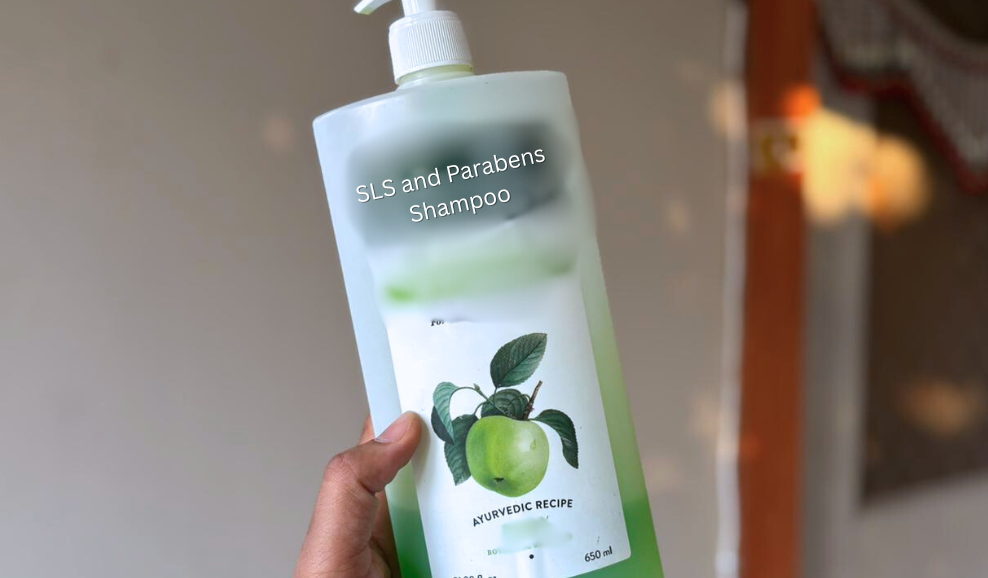
Learn about the harmful effects of SLS and parabens in shampoos, why they damage hair and scalp, and explore safe, natural alternatives.
The beauty and personal care industry has grown exponentially over the past few decades, offering countless shampoo and hair care options. However, many of these products contain chemical ingredients that may do more harm than good in the long run. Among the most debated ingredients are Sodium Lauryl Sulfate (SLS) and parabens. While they help create foam, cleanse effectively, and extend shelf life, their potential harmful effects on hair, scalp, and overall health have raised significant concerns.
In recent years, consumers have become more aware of what goes into their personal care products. Dermatologists and health experts are encouraging people to read labels carefully and opt for SLS- and paraben-free shampoos, especially for sensitive scalps or damaged hair. In this article, we’ll explore what SLS and parabens are, their harmful effects, why switching to safer alternatives matters, and how to identify better products for long-term hair health.
Table of Contents
What Are SLS and Parabens?
1. Sodium Lauryl Sulfate (SLS)
SLS is a synthetic detergent commonly used in shampoos, soaps, and toothpaste. Its primary role is to produce lather and remove dirt, oil, and impurities from the scalp. It’s inexpensive and effective, which is why it’s a popular choice for manufacturers. However, SLS is also a harsh surfactant, which can strip away natural oils and disrupt the scalp’s protective barrier.
2. Parabens
Parabens are synthetic preservatives used to prevent bacterial growth and extend the shelf life of cosmetics and personal care products. Common types include methylparaben, ethylparaben, propylparaben, and butylparaben. Although parabens are efficient preservatives, their potential endocrine-disrupting properties have sparked global debates about their safety.
Why SLS Can Be Harmful for Hair & Scalp
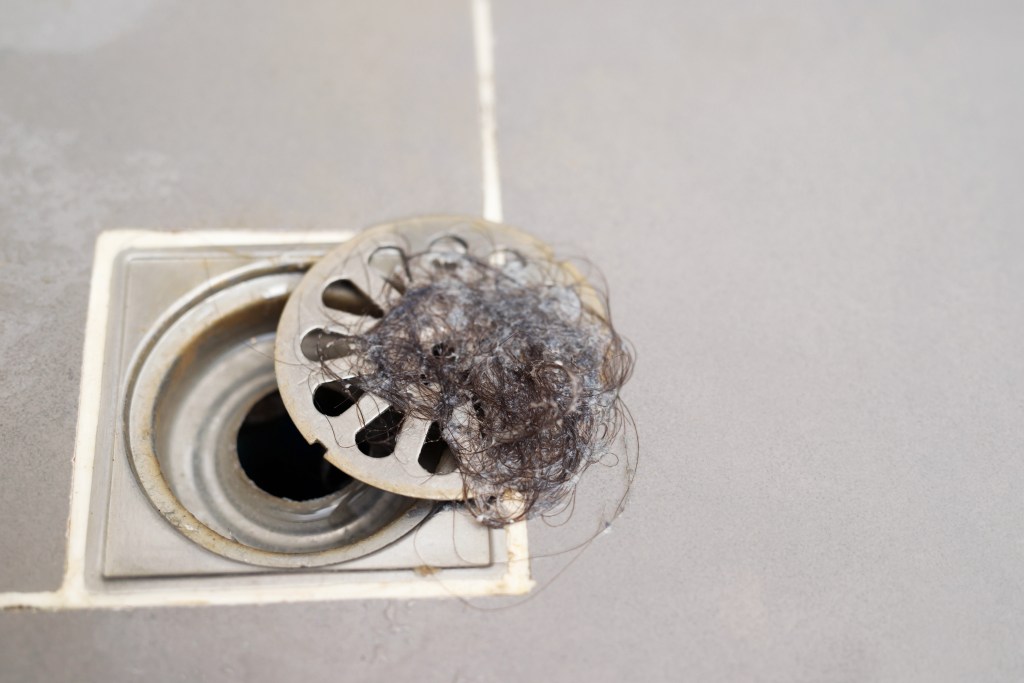
While SLS helps create a rich foam and removes dirt effectively, it can be too aggressive for regular or long-term use. Some harmful effects include:
1. Stripping Natural Oils
SLS removes not only dirt and buildup but also essential natural oils from your hair and scalp. This leads to dryness, frizz, and a loss of natural shine, especially in people with curly, colored, or treated hair.
2. Scalp Irritation
For people with sensitive skin, eczema, or psoriasis, SLS can cause itching, redness, and inflammation. Its high cleansing power can damage the scalp’s natural barrier, making it more prone to irritation.
3. Hair Breakage and Damage
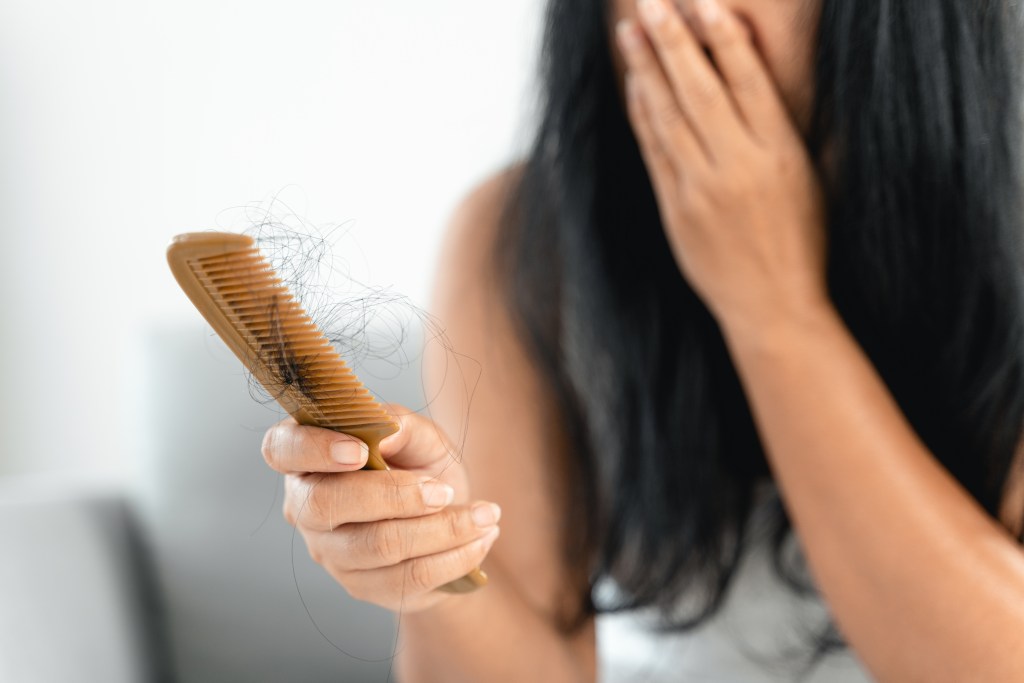
Dryness caused by SLS weakens hair strands over time, making them brittle and more susceptible to breakage. This is especially problematic for individuals who shampoo frequently.
4. Color Fading
SLS can strip hair dye faster, leading to color fading and dullness in chemically treated hair.
Why Parabens Can Be Harmful
Parabens are under scrutiny primarily due to their potential impact on hormonal balance. Some of the main concerns include:
1. Endocrine Disruption
Parabens can mimic estrogen, a natural hormone in the body, and may interfere with hormonal functions. This hormone disruption is one of the biggest reasons for avoiding parabens, especially for long-term use.
2. Skin Sensitization and Allergies
Some individuals may develop allergic reactions, redness, or dermatitis after prolonged use of paraben-containing products, particularly on sensitive scalps.
3. Possible Health Concerns
While research is ongoing, some studies have linked parabens to breast cancer tissues, raising concerns about their accumulation in the body. Although definitive causation has not been established, the precautionary principle has led many consumers to avoid parabens altogether.
Side Effects of Regular Use of SLS and Parabens
Long-term or frequent use of shampoos containing SLS and parabens may lead to:
- Persistent dryness and frizziness
- Itchy, flaky, or irritated scalp
- Hair thinning or breakage over time
- Premature fading of colored hair
- Increased sensitivity in individuals with pre-existing scalp conditions
- Possible hormonal disturbances with continuous paraben exposure
These side effects may vary from person to person, but avoiding these chemicals often leads to healthier scalp conditions and improved hair texture over time.

Natural & Safer Alternatives
Fortunately, many hair care brands have started embracing natural and non-toxic alternatives. Some safer ingredients to look for include:
- Cocamidopropyl betaine – A mild surfactant derived from coconut oil that cleanses without stripping moisture.
- Sodium cocoyl isethionate – A gentle foaming agent often found in natural shampoos.
- Plant-based preservatives like potassium sorbate, sodium benzoate, or essential oils.
- Aloe vera, glycerin, or botanical extracts for moisture and scalp nourishment.
These ingredients are less irritating, eco-friendly, and better suited for daily use, even on sensitive scalps.
How to Identify SLS- and Paraben-Free Shampoos
When choosing safer products, check the label carefully. Look for:
- ✅ “SLS-Free,” “Sulfate-Free,” or “Sodium Lauryl Sulfate-Free”
- ✅ “Paraben-Free” clearly mentioned
- ✅ Ingredients list with plant-based or mild surfactants
- 🚫 Avoid ingredients like Sodium Lauryl Sulfate, Sodium Laureth Sulfate, or anything ending in “-paraben”
Additionally, certified organic or dermatologically tested shampoos often avoid these chemicals altogether.
Conclusion
While SLS and parabens have been widely used in shampoos for decades, growing awareness of their potential harmful effects has led many consumers to seek safer alternatives. From dryness, irritation, and hair damage to hormonal concerns, the drawbacks of prolonged exposure are real. Switching to SLS- and paraben-free shampoos can help restore your hair’s natural balance, improve scalp health, and reduce exposure to unnecessary chemicals.
For long-term hair health, always read ingredient labels, choose mild, natural cleansers, and remember — what you put on your hair is just as important as what you put in your body.
“My experience is that nowadays, when there are salt-free and paraben-free shampoos available, with good discounts, then according to me, everyone should use this shampoo, and especially children should not be given this at all.“
Buy Best SLS-free and paraben-free shampoos from AMAZON Click HERE
Is SLS Harmful for Daily Use?
Yes. SLS strips away the scalp’s natural oils with every wash, disrupts the skin barrier, and causes chronic irritation when used daily — especially on sensitive or dry scalps. Over time, daily SLS use leads to increased dryness, frizz, scalp inflammation, and hair breakage. Switching to a sulfate-free shampoo eliminates this damage entirely.
Are Parabens Really Linked to Cancer?
Parabens have been detected in breast cancer tissue samples, and they are known to mimic estrogen — a hormone linked to hormone-sensitive cancers. A direct causal link between paraben use and cancer has not been definitively proven in clinical trials. However, the precautionary principle applies: there is no benefit to using parabens when safer preservatives exist. Most health-conscious consumers and dermatologists recommend avoiding them.
How Can I Switch to SLS- and Paraben-Free Shampoos?
Start by replacing your current shampoo with a certified sulfate-free and paraben-free alternative. Expect a 2–4 week adjustment period — your scalp may produce slightly more oil initially as it recalibrates after years of over-stripping. Use a scalp-friendly conditioner during the transition. Most people notice cleaner, softer, and less irritated scalps within 3–4 weeks of switching.
Are Natural Shampoos as Effective as Regular Shampoos?
Yes — modern natural shampoos use mild surfactants like cocamidopropyl betaine, decyl glucoside, and sodium cocoyl isethionate that cleanse effectively without the harsh stripping effect of SLS. They produce less foam but deliver equivalent or better cleansing results. Lather is not a measure of cleaning power — SLS is added primarily because consumers associate foam with effectiveness.
Can SLS- and Paraben-Free Shampoos Improve Hair Quality?
Yes — and the improvement is measurable. Without SLS stripping natural oils every wash, the scalp retains its protective lipid barrier. Hair retains more moisture, cuticles lie flatter, and the result is visibly shinier, softer, and stronger hair within weeks. People with color-treated hair see the most dramatic improvement as color retention increases significantly without sulfate stripping.
References & Scientific Sources
This article is based on peer-reviewed research and clinical evidence from trusted dermatological and governmental sources.
- 1
Hair Care: Tips for Healthy Hair — habits that damage hair and scalp, including product ingredients and environmental factors.
- 2
Opinion on Parabens — safety assessment of parabens used in cosmetic products including shampoos and hair care formulations.
- 3
Final Report on the Safety Assessment of Sodium Lauryl Sulfate — evaluation of SLS as a surfactant in cosmetic and hair care products.
- 4
Endocrine Disrupting Chemicals and Human Health — review of chemical compounds in personal care products and their hormonal interference effects.
- 5
Mild Surfactants and Their Role in Modern Cosmetic Formulations — comparative analysis of SLS versus mild surfactant alternatives in shampoo and skin care products.


Very informative data .thank you so much
thanks…keep following…