
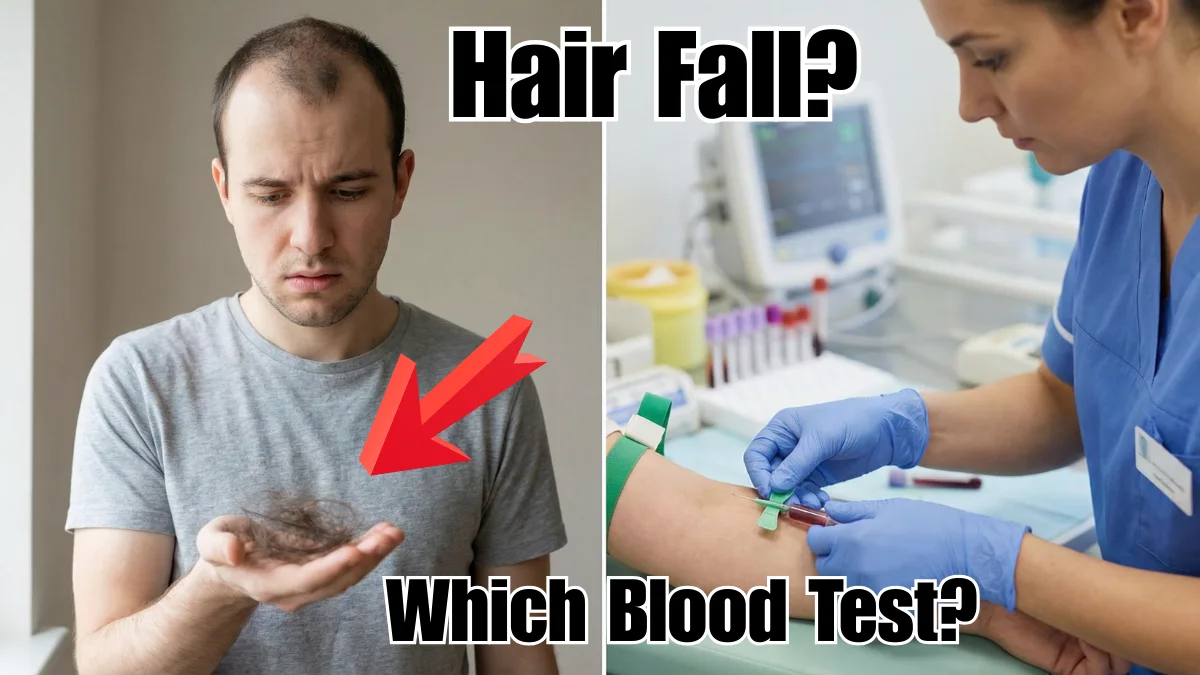
Why is my hair falling out? If you have asked yourself this question, you are not alone. Hair loss affects over 80% of men and 50% of women at some point in their lives. Yet most people spend months buying shampoos and supplements without ever finding the real answer.
The most reliable solution is a blood test for hair fall. It removes all guesswork and tells you exactly what is happening inside your body. In this guide, you will learn which blood tests for hair loss actually matter, what warning levels to watch for, what these tests cost worldwide, and how to stop hair fall even without getting tested.+
If you want a complete breakdown of every type of hair loss and what it means for your specific situation, read our complete guide to hair fall for men and women. In this article, we focus specifically on blood tests — the most accurate diagnostic tool available.
- Why Is Your Hair Falling Out? 6 Root Causes
- When Should You Get a Blood Test for Hair Fall?
- Which Blood Test Is Required for Hair Fall?
- Warning Levels You Should Not Ignore
- Hair Loss Blood Test Cost — Global Comparison
- How to Stop Hair Fall Without Blood Tests
- The Truth About Anti-Hair Fall Shampoos
- Frequently Asked Questions
- Conclusion
- References
Why Is My Hair Falling Out? 6 Root Causes

Before ordering a blood test for hair fall, understanding the possible cause helps you choose the right panel.
| # | Cause | Who It Affects | Key Sign |
|---|---|---|---|
| 1 | Vitamin D & B12 Deficiency | Everyone | Fatigue + diffuse thinning |
| 2 | Protein Deficiency ⭐⭐ | Everyone | Weak, brittle, thinning hair |
| 3 | Nutritional Deficiency (Zinc, Biotin, Selenium) | Everyone | Dull hair, slow growth |
| 4 | Hormonal Imbalance (DHT, Thyroid, Estrogen) | Gender-specific | Pattern baldness |
| 5 | Chronic Stress (High Cortisol) | Everyone | Sudden heavy shedding |
| 6 | Seasonal Changes | Everyone | Winter dryness, monsoon shedding |
Vitamin D deficiency hair loss and low B12 are the most overlooked causes — affecting an estimated 90–95% of people with chronic hair fall. Androgenetic alopecia, driven by DHT, is the most common genetic cause affecting both men and women. To understand exactly how DHT triggers hair loss at the follicle level, read our detailed article on what is DHT and how it causes hair loss.
Stress-induced shedding, clinically known as telogen effluvium, is a condition where the hair growth cycle is disrupted and follicles enter a premature resting phase is another highly searched condition where the hair growth cycle is disrupted and follicles enter a premature resting phase.
Key fact: Hair fall is a symptom, not a disease. Finding the root cause is the only path to effective treatment.
Which Blood Test Is Required for Hair Fall?
This is the most common question people search for — which blood test is required for hair fall? The answer depends on your gender, symptoms, and age. Here is the complete hair loss blood test guide:
| Test | What It Detects | Who Needs It | Normal Range |
|---|---|---|---|
| CBC (Complete Blood Count) | Anemia, infections, overall health | Everyone | Lab-specific |
| Serum Ferritin | Iron stores — low ferritin triggers telogen effluvium | Females especially | 30–150 ng/mL |
| Vitamin D (25-OH) | Vitamin D deficiency hair loss | Everyone | 30–100 ng/mL |
| Vitamin B12 | B12 levels — critical for vegans | Everyone | 200–900 pg/mL |
| TSH (Thyroid test for hair loss) | Hypo or hyperthyroidism | Females primarily | 0.4–4.0 mIU/L |
| Testosterone / DHT | DHT hair loss, androgenetic alopecia | Males with pattern baldness | Lab-specific |
| PCOS Panel | Female hormones — PCOS hair loss | Females with irregular cycles | Lab-specific |
| Cortisol | Stress hormone — triggers telogen effluvium | Chronic stress sufferers | 6–23 mcg/dL |
| HbA1c (Blood Sugar) | Insulin resistance, diabetes | Both | Below 5.7% |
Always consult a doctor before supplementing based on results. For a deeper understanding of how each deficiency affects the body, Healthline’s guide on nutrient deficiencies is a reliable reference.

Important: You do not need all nine tests at once. A doctor can recommend the right combination based on your specific symptoms. For most people, starting with CBC, Serum Ferritin, Vitamin D, and B12 covers the most common causes.
When Should You Get a Blood Test for Hair Fall?
Not everyone needs to rush to a lab immediately. However, a blood test for hair fall becomes important when certain symptoms appear. Getting tested early means faster diagnosis, faster treatment, and better results.
Get tested if you experience:
- Hair fall that has lasted more than 3 months continuously
- Sudden, heavy shedding — losing 150+ hairs per day
- Hair thinning spreading all over the scalp (diffuse hair loss)
- Hair fall accompanied by fatigue, weight changes, or mood swings — possible thyroid issue
- Females with irregular menstrual cycles (varying by 5–10 days) — PCOS or hormonal imbalance
- Males noticing a receding hairline or thinning crown — DHT hair loss pattern
- Hair fall despite already taking supplements or treatments — the cause may be different from what you are treating
If none of these apply and your hair fall is mild and seasonal, you may not need urgent testing. In that case, the lifestyle and supplement protocol in Section 5 of this guide is a good starting point.
Warning Levels You Should Not Ignore
| Test | Warning Level | What It Means for Hair |
|---|---|---|
| Serum Ferritin | Below 30 ng/mL | Telogen effluvium highly likely |
| Vitamin D | Below 20 ng/mL | Immediate supplementation needed |
| TSH | Above 4.0 mIU/L | Thyroid treatment required |
| Vitamin B12 | Below 200 pg/mL | Injection or high-dose supplement needed |
| DHT | Elevated above range | Androgenetic alopecia risk confirmed |
Once you receive your blood test for hair fall results, knowing which numbers are genuinely concerning is critical. Many people see results within the “normal” range but still at the lower end — which can still cause hair fall even if the lab does not flag it as deficient.
The most important threshold to watch is serum ferritin below 30 ng/mL. Even if your hemoglobin is normal, low ferritin directly depletes the iron stored in your hair follicles, triggering telogen effluvium. This is especially relevant for females with heavy menstrual bleeding.
For vitamin D deficiency hair loss, levels below 20 ng/mL are a confirmed trigger for follicle disruption. However, research suggests that maintaining levels above 40–60 ng/mL produces the best results for hair health, even though labs typically flag anything above 30 as “normal.” Connection supported by published clinical research on vitamin D and hair loss.
Hair Loss Blood Test Cost — Global Comparison
One major reason people avoid a blood test for hair fall is cost uncertainty. Here is a worldwide comparison:
| Test | USA (USD) | UK (GBP) | Europe (EUR) | India (INR) |
|---|---|---|---|---|
| CBC | $30–$100 | £20–£60 | €25–€80 | ₹300–₹800 |
| Serum Ferritin | $40–$120 | £25–£70 | €30–€90 | ₹500–₹1,200 |
| Vitamin D | $50–$250 | £40–£100 | €40–€120 | ₹800–₹2,500 |
| Vitamin B12 | $50–$200 | £35–£90 | €35–€100 | ₹700–₹2,000 |
| Thyroid (TSH) | $30–$150 | £25–£80 | €25–€90 | ₹300–₹900 |
| Testosterone/DHT | $60–$300 | £50–£150 | €50–€180 | ₹1,200–₹4,000 |
| PCOS Panel | $150–$500 | £100–£300 | €120–€350 | ₹3,000–₹8,000 |
| Full Combo Package | $200–$800 | £150–£500 | €150–€500 | ₹4,000–₹12,000 |

💡 Money-saving tip: Ask your lab for a “hair loss panel” or “trichology panel” — combo packages are significantly cheaper than booking each test separately. These tests also do not need to be repeated every year. Once every 2–3 years is sufficient unless symptoms change or worsen.
How to Stop Hair Fall Without Blood Tests
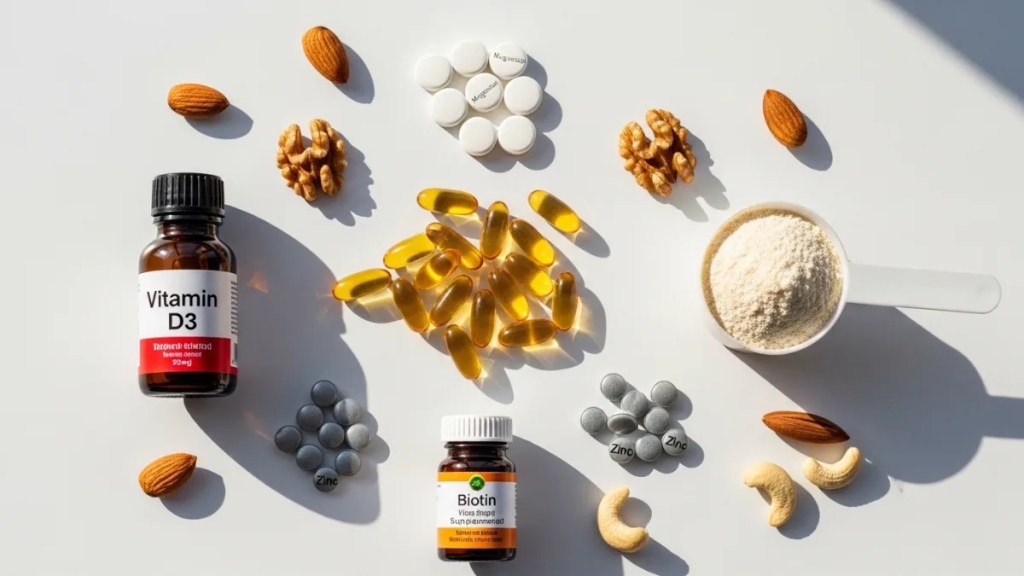
If testing is not possible right now, you can still take meaningful action. This is the practical answer to how to stop hair fall without blood test — targeting the most statistically common deficiencies.
For Females
Irregular periods varying by 5–10 days are a reliable signal of hormonal imbalance. PCOS hair loss and thyroid dysfunction are the two most frequent culprits in women. No medication alone can fix hormonal imbalance — only lifestyle changes restore it naturally. For a deep dive into this topic, read our guide on hormonal changes in women and their impact on hair fall.
The most important intervention for females is adequate protein intake — the raw material for every cell in your body including hair. Combine this with magnesium glycinate before bed, which supports hormone production and improves sleep quality. Omega-3 fatty acids maintain scalp moisture and reduce inflammation around follicles.
For Males
DHT hair loss from androgenetic alopecia is often genetic but can be amplified by vitamin D and B12 deficiency. Many males assume baldness came from their father’s side — but since DNA is inherited from both parents, the maternal side (grandfather, uncle) is equally relevant. Checking sun exposure habits is the first practical step: most office workers get near-zero vitamin D from sunlight.
For males experiencing dryness-related hair fall especially in winter and monsoon seasons, increasing omega-3 and zinc intake during those months provides significant relief. Zinc specifically supports follicle repair and sebum regulation on the scalp.
Daily Supplement Protocol
| Supplement | Who Needs It | Daily Dose | Notes |
|---|---|---|---|
| Protein | Everyone | 1g per kg of body weight | Up to 2g/kg if physically active |
| Omega-3 Fatty Acids | Everyone | 1000–2000mg | Keeps scalp moisturized |
| Vitamin D3 | Everyone | 1000–2000 IU | Or weekly high-dose capsule |
| Vitamin B12 | Everyone | 500–1000mcg | Sublingual or injection form |
| Magnesium Glycinate | Females especially | 200–400mg | Before bed |
| Biotin | Optional | 2.5–5mg | Every 1–2 days (water-soluble) |
| Zinc | Seasonal | 15–30mg | Increase in winter months |
Key Insight: Exercise accounts for approximately 60% of hormonal balance improvement. Even a 30-minute daily walk reduces cortisol levels, directly addressing stress-induced telogen effluvium. Nutrition and supplements cover the remaining 40%.
The Truth About Anti-Hair Fall Shampoos
No shampoo in the world has been clinically proven to stop hair fall. Shampoo has two functions — cleaning and conditioning. The contact time on your scalp is 1 to 3 minutes, far too short for any ingredient to absorb and affect the follicle.
The one exception: anti-dandruff shampoos containing ketoconazole or selenium sulfide genuinely support a healthy scalp environment. If you are confused about which shampoo ingredients are safe and which are harmful, our guide on best SLS-free shampoos for hair loss breaks it down clearly.
The 3-month hair growth cycle is why people mistakenly credit shampoos. Hair naturally enters a growth phase every 90 days. When this coincides with a shampoo switch, the shampoo gets the credit — not biology.

FAQ on Blood test for Hair fall
Which blood test is required for hair fall?
The core panel includes CBC, Serum Ferritin, Vitamin D, Vitamin B12, and TSH. Males should add Testosterone/DHT, and females with irregular cycles should include a PCOS panel. This hair loss blood test combination covers over 90% of common causes.
What causes sudden hair loss?
Sudden hair fall is most commonly caused by telogen effluvium — triggered by extreme stress, illness, crash dieting, or post-pregnancy hormonal changes. A blood test for hair fall is highly recommended to confirm the cause.
Can vitamin D deficiency cause hair loss?
Yes. Vitamin D deficiency hair loss is one of the most common and overlooked causes. Vitamin D directly regulates hair follicle cycling. Levels below 20 ng/mL are strongly linked to diffuse shedding in both men and women.
Is thyroid the reason for hair fall in females?
It can be. Both hypothyroidism and hyperthyroidism disrupt the hair growth cycle. A thyroid test for hair loss (TSH) is especially recommended for females experiencing hair thinning alongside fatigue, weight changes, or mood swings.
How often should I repeat a blood test for hair fall?
Once every 2–3 years is adequate for most people. If you are actively treating a deficiency, recheck in 6 months to assess progress.
How to stop hair fall without blood test?
Focus on the big four: adequate protein intake, Omega-3 supplementation, Vitamin D and B12, and daily exercise. These address the most statistically common causes of hair fall — nutritional deficiency and hormonal imbalance — without needing a test first.
Conclusion
Hair fall always has a cause. A blood test for hair fall is the fastest, most accurate way to find that cause and stop wasting money on products that do not address it. Whether you choose to get tested or start with lifestyle changes immediately, the foundation remains the same: fix your nutrition, balance your hormones, move your body, and give your scalp a healthy environment. The results will follow.
References
- Almohanna HM, Ahmed AA, Tsatalis JP, Tosti A. (2019). The Role of Vitamins and Minerals in Hair Loss: A Review. Dermatology and Therapy. Read Study — PubMed Central
- Thyroid Dysfunction and Its Association with Hair Loss in Females. (2023). PubMed Central — NIH. Read Study — PubMed Central
- Rasheed H, Mahgoub D, Hegazy R, et al. (2013). Serum Ferritin and Vitamin D in Female Hair Loss: Do They Play a Role? Skin Pharmacology and Physiology. Read Study — PubMed
Medical Disclaimer
The information in this article — including guidance on blood test for hair fall, supplement dosages, and treatment options — is for educational purposes only and does not constitute medical advice. Always consult a qualified healthcare professional before starting any supplementation, medication, or treatment plan.


One thought on “Blood Test for Hair Fall: Which Tests You Need and What They Cost”
Comments are closed.