
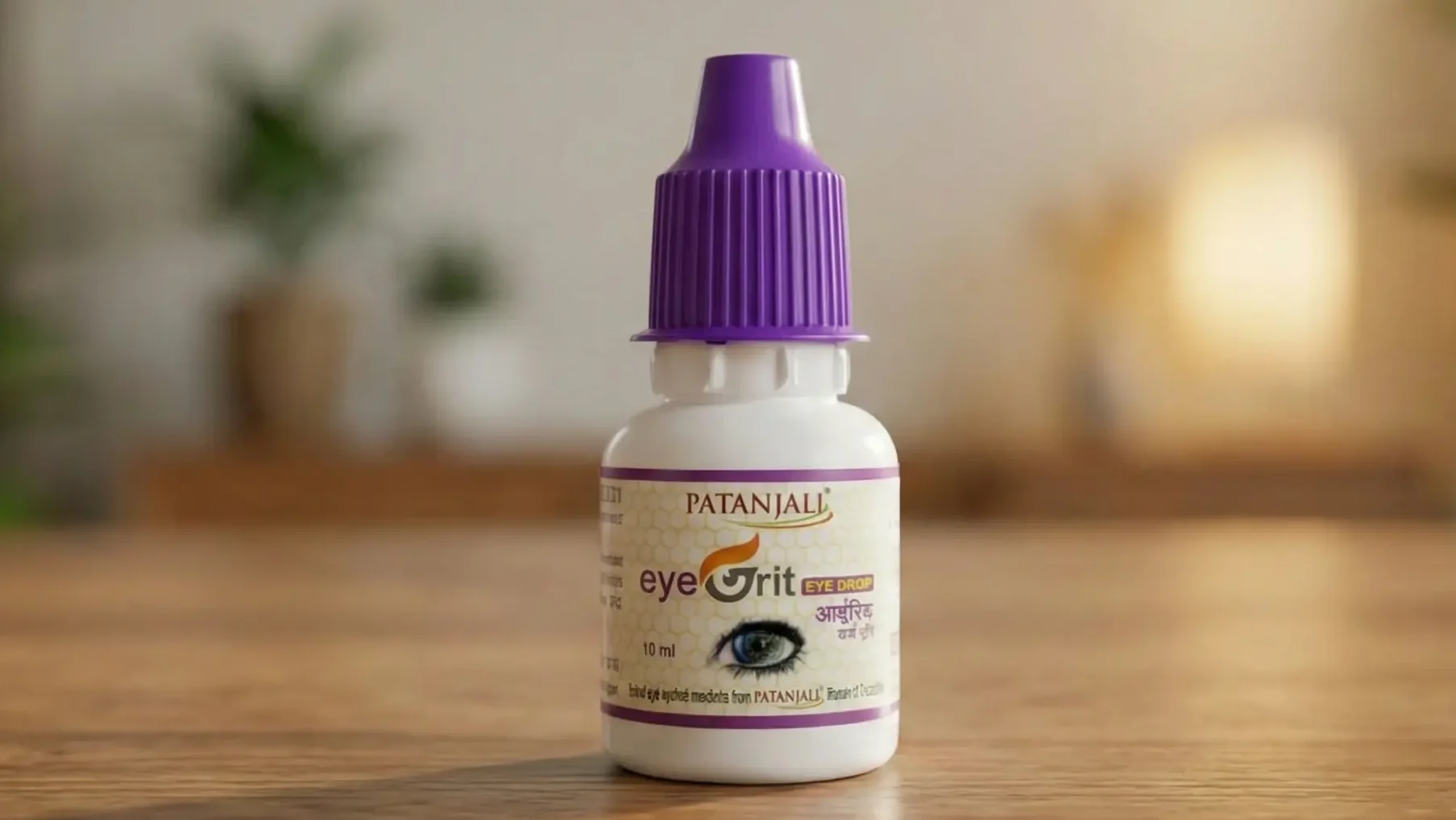
In today’s digital lifestyle, our eyes are under constant stress. Long screen hours, pollution, dust, travel, and irregular sleep patterns have made eye dryness, irritation, redness, and mild allergies extremely common. As a result, many people are now looking beyond chemical-heavy solutions and exploring Ayurvedic eye drop options for daily eye care.
A few years ago, I created a detailed video reviewing herbal eye drops, which unexpectedly reached millions of viewers. Since then, I have received countless questions asking whether Ayurvedic eye drops are genuinely effective or just another marketing claim. This article is written to answer those questions honestly, based on real experience, ingredient analysis, and Ayurvedic principles.
Ayurveda vs Modern Science: Understanding the Reality
Modern medical science clearly states that no eye drop—Ayurvedic or allopathic—can magically restore lost vision or permanently remove spectacles. This point needs to be addressed upfront to maintain trust.
Ayurveda, however, takes a different and more holistic approach. It does not promise overnight miracles. Instead, it focuses on:
- Nourishing eye tissues
- Supporting natural lubrication
- Reducing inflammation
- Improving eye comfort and immunity
An Ayurvedic eye drop should be viewed as a supportive eye-care tonic, not a medical cure.
What Makes an Ayurvedic Eye Drop Different?
A well-formulated Ayurvedic eye drop typically contains distilled herbal extracts, not raw juices or homemade mixtures. This is extremely important for eye safety.
Distillation ensures:
- No burning or irritation
- Better tolerance for sensitive eyes
- Consistent potency
- Hygienic formulation
Unlike traditional homemade remedies (like onion juice or raw rose water), professionally manufactured Ayurvedic eye drops are safer for direct ocular use.
Key Herbal Ingredients and Their Role
Based on ingredient analysis, most quality Ayurvedic eye drops contain a combination of the following herbs:

Amla (Indian Gooseberry)
Traditionally associated with eye nourishment and antioxidant support.
Tulsi (Holy Basil)
Known for antimicrobial properties that may help with mild infections and irritation.
Turmeric
Supports anti-inflammatory action and helps reduce redness.
Punarnava
Traditionally used for rejuvenation and eye tissue support.
Bhringraj
Often associated with improving eye comfort and fatigue.
Rose Extract
Provides cooling, soothing relief and reduces eye strain.
Saindhava Lavana (Rock Salt – very mild)
Used in micro quantities to support clarity and comfort.
Glycerin
A crucial ingredient for eye moisture and dryness relief, especially for screen users.
Mukta Pishti (Pearl Calcium)
Traditionally valued for its cooling and calming properties.
Most formulations also contain a very small amount of preservative (like benzalkonium chloride in safe limits) to maintain hygiene and shelf life. This is widely used and generally well tolerated when used as directed.
Who Can Benefit the Most From an Ayurvedic Eye Drop?

An Ayurvedic eye drop is especially helpful for:
- People with dry eyes
- Excessive mobile or computer users
- IT professionals and students
- Frequent travelers exposed to dust and pollution
- People experiencing mild redness or irritation
- Those seeking a natural daily eye-care routine
For such users, regular use (morning and evening) can significantly improve eye comfort over time.
What Ayurvedic Eye Drops Can and Cannot Do
✔ What They Can Help With
- Eye dryness
- Mild irritation
- Redness caused by fatigue
- Local, mild allergies
- Eye comfort and cooling
✖ What They Cannot Do
- Remove spectacles
- Cure blurred vision permanently
- Treat serious eye infections
- Replace medical treatment
This clarity is crucial for responsible usage and aligns with ethical health guidance.
My Experience-Based Rating
Based on usage feedback and formulation logic:
- Vision improvement: 2/10
- Dryness relief: 8/10
- Allergy support: 8/10
- Mild infection support: 7/10
Overall average effectiveness: 7/10
This makes an Ayurvedic eye drop a strong supportive option, not a miracle solution.
Usage Guidelines (Very Important)
- Use only as directed (usually 1–2 drops per eye, once or twice daily)
- Maintain strict hygiene while applying
- Do not touch the dropper tip to the eye
- Discontinue if irritation occurs
- After eye surgery or laser treatment, consult your doctor before use
Is One Brand Mandatory? Absolutely Not.
This article is not a paid promotion of any single brand. If you find any other Ayurvedic eye drop with:
- Clean ingredient profile
- Distilled herbal extracts
- Proper packaging
You may use that instead.
👉 Recommended affiliate option:
If you wish to purchase a trusted Ayurvedic eye drop, you can explore verified options through the affiliate links provided on this page. Always buy from authentic sources to avoid counterfeit products.
FAQs
Q1. Can Ayurvedic eye drops improve eyesight naturally?
They support eye health but do not reverse vision loss.
Q2. Are Ayurvedic eye drops safe for daily use?
Yes, when used within recommended limits.
Q3. Can children use Ayurvedic eye drops?
Consult a doctor before use.
Q4. Do they help with screen-related eye strain?
Yes, especially due to glycerin and cooling herbs.
Q5. Are they better than chemical eye drops?
They are gentler for long-term supportive use, not medical treatment.
Conclusion
An Ayurvedic eye drop is not a medicine—it is a natural eye-care companion. When used correctly, it can significantly reduce dryness, irritation, and eye fatigue caused by modern lifestyles. However, it should never replace professional medical treatment for serious eye conditions.
Our body is natural. Supporting it with natural solutions—both internally and externally—helps maintain long-term balance and comfort.
Author Note
Abhishek Chouhan
Health & Fitness Educator | Certified Nutritionist
With over 10 years of experience in natural health and wellness, I focus on evidence-based, practical, and honest education around Ayurveda and lifestyle health.
Disclaimer
This article is for educational purposes only and does not replace medical advice. Always consult a qualified eye specialist for serious eye problems or infections.
Dabur vs Patanjali Chyawanprash: The Real Ayurvedic Difference Most People Miss
Coriander Seeds: The 30-Day Health Booster Nobody Talks About
Rosier A2 Ghee vs Amul Cow Ghee vs Patanjali Cow Ghee: Which One Is Best?


2 thoughts on “Ayurvedic Eye Drop Review: Can It Really Help With Dry Eyes, Allergy, and Eye Comfort?”