
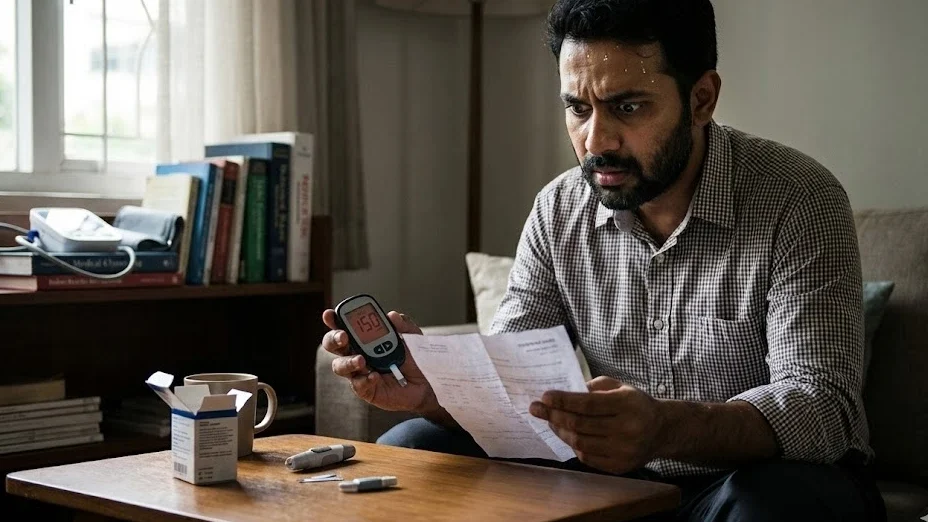
Why Diabetes Is Called a “Silent Companion”
Diabetes is often described as a lifelong condition—not because it cannot be managed, but because once it enters a person’s life, it demands constant attention. In my 10+ years of work in health and fitness education, I have seen how diabetes quietly affects energy levels, immunity, recovery from illness, and overall quality of life.
This article is written purely for educational awareness. I do not claim to have diabetes myself, nor do I diagnose or treat any medical condition. The purpose is to help readers understand what diabetes actually is, why it happens, how to identify early warning signs, and what science-backed lifestyle habits help control it.
What Is Diabetes, Really?
Many people believe sugar itself is the enemy. In reality, glucose (sugar) is the body’s primary source of energy. Every cell—muscle, bone, skin, brain, nerves—needs glucose to function.
When we eat carbohydrates (rice, roti, bread, pasta, fruits), they are broken down into glucose, which enters the bloodstream. From there, glucose must enter body cells to provide energy.
That’s where insulin comes in.
The Role of Insulin (In Simple Words)

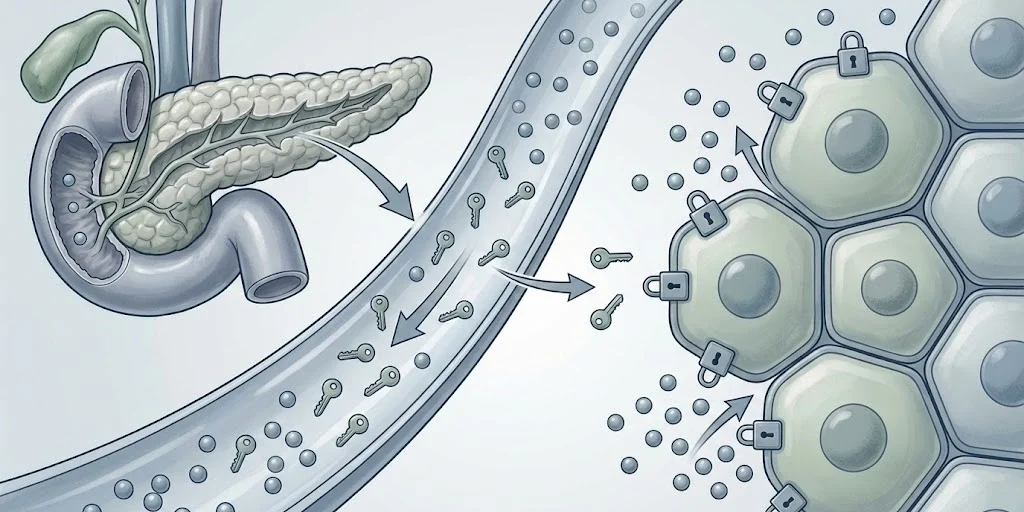
Insulin is a hormone released by the pancreas. Think of insulin as a driver that carries glucose from the blood into the body’s cells.
- If insulin works properly → glucose enters cells → energy is used
- If insulin doesn’t work properly → glucose stays in blood → blood sugar rises
When glucose cannot enter cells efficiently, the condition is called diabetes.
How Blood Sugar Levels Increase
Modern lifestyle plays a major role:
- Excess calorie intake
- High carbohydrate meals
- Minimal physical activity
- Chronic stress and poor sleep
When the body already has enough stored energy and we continue eating more, cells stop responding properly to insulin. This condition is known as insulin resistance. As a result, glucose remains in the bloodstream, causing high blood sugar levels.
Early Symptoms of Diabetes

Common warning signs include:
- Frequent thirst
- Excessive hunger
- Frequent urination
- Fatigue and weakness
- Slow wound healing
- Unexplained weight changes
These symptoms often appear gradually, which is why diabetes can go unnoticed for years.
Key Diagnostic Tests for Diabetes
| Test | What It Measures | Why It Matters |
|---|---|---|
| Fasting Blood Sugar | Sugar level after overnight fast | Detects baseline sugar |
| Post-Meal Sugar | Sugar 2 hours after eating | Shows glucose handling |
| HbA1c Test | Average sugar for last 90–120 days | Most reliable long-term indicator |
HbA1c below 5.7% is generally considered normal, while higher values indicate pre-diabetes or diabetes (exact interpretation should always be done by a doctor).
Types of Diabetes Explained
1️⃣ Prediabetes
Blood sugar is higher than normal, but symptoms may be absent. This stage is reversible with lifestyle changes.
2️⃣ Type 1 Diabetes
An autoimmune condition where the pancreas produces little or no insulin. Insulin therapy is essential.
3️⃣ Type 2 Diabetes
The most common type. Insulin is produced, but cells resist its action. Strongly linked to lifestyle factors.
4️⃣ Gestational Diabetes
Occurs during pregnancy due to hormonal changes. Usually temporary but needs monitoring.
Who Is at Highest Risk?
People with higher risk include:
- Physically inactive individuals
- Overweight or obese individuals
- High stress levels
- Poor sleep habits
- Excessive refined carbohydrate intake
- Strong family history
Long-Term Risks of Uncontrolled Diabetes
If unmanaged, diabetes may increase the risk of:
- Heart disease
- Kidney damage
- Nerve damage
- Vision problems
- Slow wound healing
This is why early awareness and consistent control are critical.
How Diabetes Can Be Controlled (Science-Backed Approach)
✔ Physical Activity
Regular walking, resistance training, or cardio improves insulin sensitivity.
✔ Balanced Diet
- Controlled carbohydrates
- Adequate protein
- Healthy fats
- Fiber-rich foods
✔ Stress & Sleep Management
Chronic stress disrupts hormonal balance, including insulin.
✔ Medical Monitoring
Regular blood tests and following professional medical advice are essential.
About Natural & Traditional Foods (Important Note)
Many traditional foods and herbs are being researched for their role in metabolic health. However, they should never replace prescribed treatment. Any supplement or herbal product should be used only after consulting a qualified healthcare professional.
Final Thoughts
Diabetes is not just about sugar—it is about how the body manages energy. With awareness, disciplined lifestyle habits, regular testing, and professional guidance, many people successfully control their blood sugar and live active, healthy lives.
Frequently Asked Questions (FAQs) About Diabetes
1. What is diabetes in simple words?
Diabetes is a condition in which the level of glucose (sugar) in the blood becomes higher than normal because the body cannot use insulin properly or does not produce enough insulin.
2. Is sugar itself the main cause of diabetes?
No. Diabetes is mainly linked to excess carbohydrate intake, poor insulin response, physical inactivity, stress, and lifestyle factors. Sugar consumption alone is not the only cause.
3. What are the early warning signs of diabetes?
Common early signs include frequent thirst, increased hunger, frequent urination, fatigue, weakness, and slow healing of wounds. Some people may have no symptoms initially.
4. What is the HbA1c test and why is it important?
The HbA1c test shows the average blood sugar level over the past 2–3 months. It is one of the most reliable tests to assess long-term blood sugar control.
5. Can diabetes exist without symptoms?
Yes. Many people remain in the prediabetic or early diabetic stage without noticeable symptoms. Regular blood tests are the only way to detect it early.
6. What is insulin resistance?
Insulin resistance occurs when body cells stop responding effectively to insulin. As a result, glucose remains in the blood instead of entering the cells, leading to high blood sugar levels.
7. What are the main types of diabetes?
The main types include:
- Prediabetes
- Type 1 Diabetes
- Type 2 Diabetes
- Gestational Diabetes
Each type has different causes and management approaches.
8. Is Type 2 diabetes linked to lifestyle habits?
Yes. Type 2 diabetes is strongly associated with low physical activity, excess calorie intake, weight gain, stress, and poor sleep patterns.
9. Can diabetes be controlled with lifestyle changes?
In many cases, especially in early stages, regular exercise, balanced nutrition, stress management, and consistent monitoring help improve blood sugar control. Medical guidance is always essential.
10. Is diabetes completely curable?
Diabetes is generally considered a manageable condition, not a guaranteed cure. With proper lifestyle habits and medical supervision, many people maintain healthy blood sugar levels long-term.
11. Why is regular blood testing important for diabetes?
Regular tests help track blood sugar trends, assess treatment effectiveness, and reduce the risk of long-term complications.
12. Who should get tested for diabetes?
People with family history, sedentary lifestyle, excess weight, high stress levels, or irregular eating habits should consider regular screening.
Medical Safety Note
These FAQs are for educational awareness only and do not replace medical advice. Diagnosis and treatment decisions should always be made in consultation with qualified healthcare professionals.
Author Note
This article is written by Abhishek Chouhan, a health and fitness content creator with over 10 years of experience in blogging, wellness education, and nutrition awareness. His goal is to provide clear, honest, and practical information that helps readers make better lifestyle choices.
Disclaimer
The information provided in this article is for educational purposes only. It is not intended to be a substitute for professional medical or nutritional advice. Please consult your doctor, healthcare provider, or certified nutrition expert before making any changes to your diet or lifestyle.


