

Testicular pain and low sperm count are two issues that often raise deep concern among young men. While there can be many causes behind these symptoms, one of the most overlooked yet common reasons is Varicocele — a condition involving enlarged veins within the scrotum. This problem not only causes discomfort and pain but can also affect fertility and sperm quality.
In this article, we’ll explore what varicocele is, how it affects your reproductive health, and the natural and medical management options available.
What Is Varicocele?
A Varicocele is the enlargement of veins inside the scrotum (the sac that holds the testicles) — similar to varicose veins that occur in the legs.
These veins, known as the pampiniform plexus, help regulate the temperature of the testicles for healthy sperm production. When they become enlarged, the blood flow becomes sluggish, leading to increased temperature around the testes. This temperature imbalance can harm sperm count, motility, and overall reproductive health.
Varicoceles are quite common, affecting about 15–20% of all males, and nearly 40% of infertile men.
Causes and Risk Factors
Varicocele typically develops due to faulty valves in the veins that prevent proper blood flow. As blood pools in the veins, pressure increases, causing them to enlarge.
Some contributing factors include:
- Genetic predisposition (weak vein walls or valves)
- Prolonged standing or heavy lifting
- High body temperature or tight clothing
- Obesity and poor circulation
- Hormonal imbalance or testicular infection
Common Symptoms
In many men, varicocele develops slowly and may not cause noticeable symptoms. However, when symptoms appear, they often include:
- A dull, aching pain in the testicle (especially after standing or exercising)
- Swelling or heaviness in the scrotum
- Visible or palpable enlarged veins (often described as a “bag of worms”)
- Reduced sperm count or motility
- Infertility or difficulty conceiving
- Testicular shrinkage (in severe cases)
Pain from varicocele typically worsens during the day and improves when lying down.
Varicocele and Low Sperm Count: The Connection
The scrotum maintains a slightly lower temperature than the body, essential for healthy sperm production.
However, when varicoceles increase blood pooling, they also raise the temperature, disrupting the natural environment for sperm formation. This leads to:
- Reduced sperm count
- Lower motility (slower-moving sperm)
- Abnormal sperm shape
- Oxidative stress and DNA damage
This is why men with varicocele often face fertility challenges — even if other aspects of their health are normal.
Diagnosis of Varicocele
A varicocele can be diagnosed through:
- Physical Examination: The doctor feels the scrotum while you stand or perform a “Valsalva maneuver” (straining as if to exhale while closing your mouth and nose).
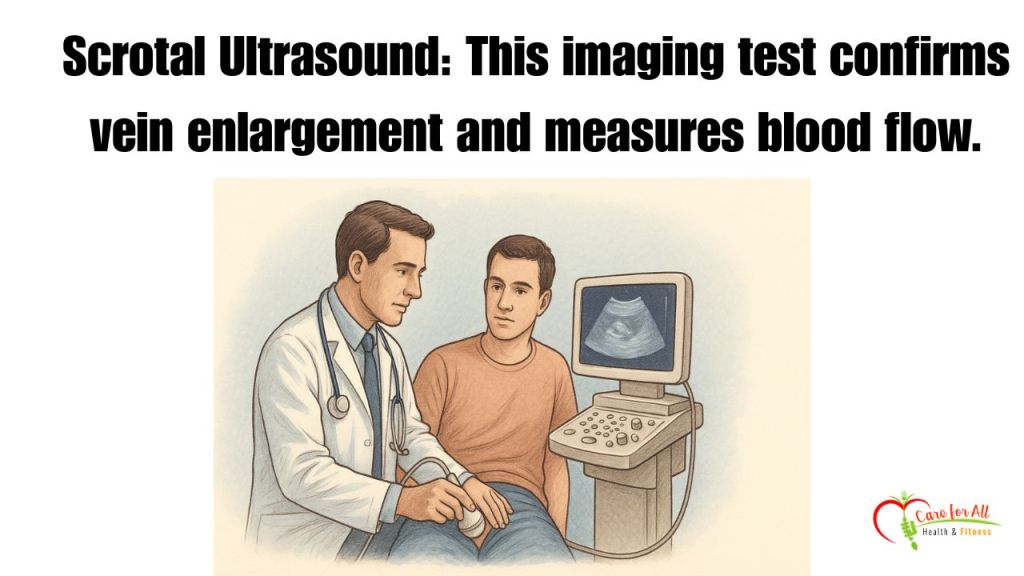
- Scrotal Ultrasound: This imaging test confirms vein enlargement and measures blood flow.
- Semen Analysis: Used to check sperm count, motility, and morphology.
Early diagnosis helps in preventing further fertility damage.
Natural Management and Lifestyle Tips
If your varicocele is mild and not causing severe pain or infertility, natural management and lifestyle changes can help improve symptoms and overall reproductive health.
1. Maintain Healthy Weight
Being overweight puts pressure on veins and affects circulation. Regular exercise and balanced nutrition can improve blood flow to the genital area.
2. Avoid Tight Clothing
Tight jeans or underwear can increase scrotal temperature. Use loose, breathable cotton clothing instead.
3. Cold Compress Therapy
Applying a cool compress to the scrotal area can temporarily reduce discomfort and inflammation.
4. Anti-Inflammatory Diet
Include foods rich in antioxidants such as:
- Fresh fruits (especially berries)
- Green leafy vegetables
- Nuts and seeds (rich in zinc and selenium)
- Omega-3-rich fish like salmon
Avoid alcohol, smoking, and processed foods that impair circulation.
5. Regular Exercise
Mild exercises like walking, swimming, or yoga improve venous return and reduce stagnation in scrotal veins.
6. Herbal & Ayurvedic Support
Some natural remedies traditionally used for male reproductive health include:
- Ashwagandha – helps improve testosterone levels and sperm quality
- Shilajit – enhances fertility and stamina
- Gokshura (Tribulus terrestris) – promotes reproductive wellness and circulation
(Note: Always consult a qualified healthcare provider before using herbs or supplements.)
When Is Surgery Needed?
If pain persists or semen analysis shows severe abnormalities, doctors may recommend varicocelectomy, a minor surgical procedure that involves sealing or removing the affected veins to restore normal blood flow.
Types include:
- Open surgery
- Laparoscopic surgery
- Microsurgical varicocelectomy (most precise and preferred)
Success rates are high, and many men see improvement in sperm quality and fertility within 6–12 months.
Living with Varicocele: Long-Term Outlook
Most men with varicocele live a normal, healthy life.
However, untreated or severe varicocele can gradually affect testosterone production and fertility. Hence, regular checkups, a healthy lifestyle, and timely management are essential for maintaining reproductive health.
Prevention Tips
While not all varicoceles can be prevented, these steps can reduce risk:
- Maintain a healthy weight
- Avoid prolonged standing or heavy lifting
- Keep your body temperature regulated
- Follow a nutrient-rich diet and stay hydrated
- Avoid smoking and alcohol
Conclusion
Varicocele is a common but manageable condition that can affect fertility and testicular health.
Early diagnosis, proper lifestyle changes, and, when necessary, medical intervention can significantly improve both comfort and reproductive outcomes.
If you experience testicular pain or suspect varicocele, consult a qualified urologist for evaluation and guidance.
Author’s Note
Written by Abhishek Chouhan, a health and fitness blogger with over 10 years of experience in the field and a decade of practical understanding of nutrition and lifestyle management.
Disclaimer
The information provided in this article is for educational purposes only. It should not be considered as medical advice or a substitute for professional consultation. Always seek the guidance of a qualified healthcare provider before making any health-related decisions.
Some important External Links
- “Male infertility and varicocele: myths and reality” https://pmc.ncbi.nlm.nih.gov/articles/PMC2658802/
- “Varicocele – Diagnosis and treatment” – Mayo Clinic. https://www.mayoclinic.org/diseases-conditions/varicocele/diagnosis-treatment/drc-20378772
- “Diagnosis and Treatment of Infertility in Men: American Urological Association/American Society for Reproductive Medicine Guideline” – AUA/ASRM. https://www.asrm.org/practice-guidance/practice-committee-documents/diagnosis-and-treatment-of-infertility-in-men-aua-asrm-guideline-part2
- “Varicocele, Functional Foods and Nutraceuticals” – PMC article on diet & varicocele. https://pmc.ncbi.nlm.nih.gov/articles/PMC9784674/


