
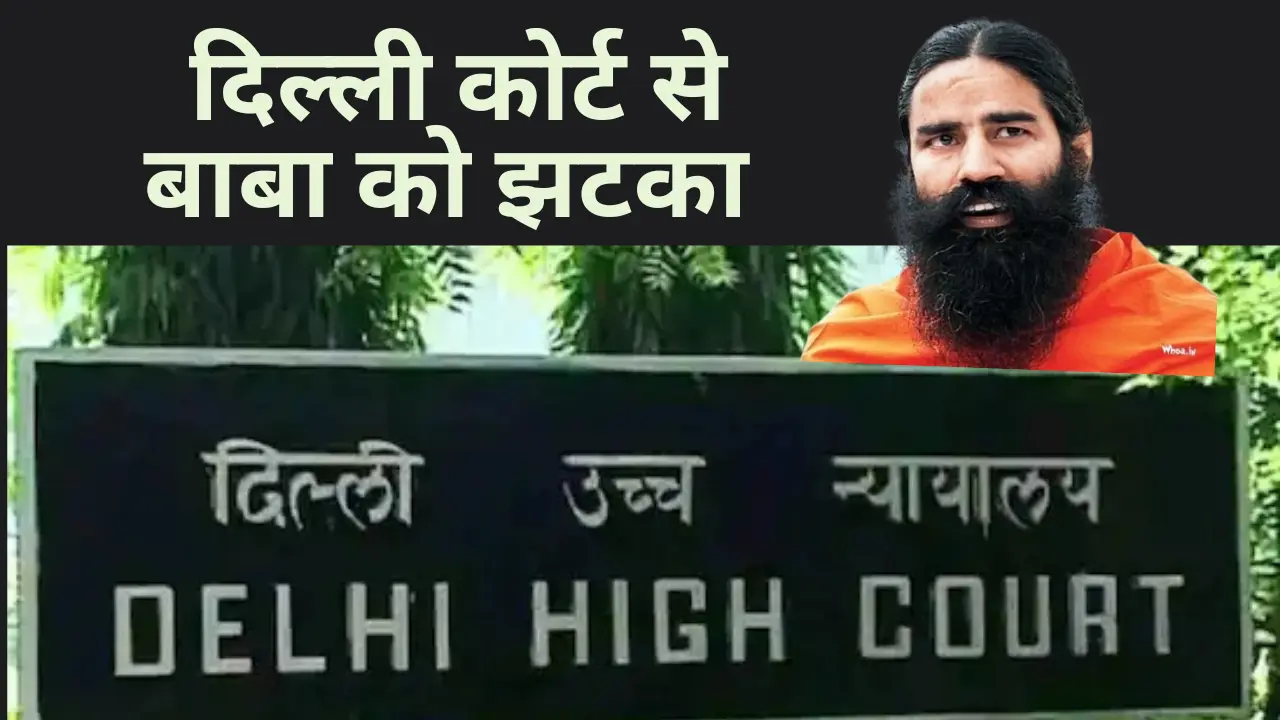
In a significant ruling, the Delhi High Court has barred Patanjali Ayurved Ltd. from airing or publishing any advertisement that disparages rival Chyawanprash brands by labeling them as “dhoka” (deception or fraud). The Court observed that such a statement could mislead consumers into believing that all other Chyawanprash products are inferior or fake, except Patanjali’s own.
Background of the Case
The controversy began after Patanjali launched an advertisement claiming that many Chyawanprash products available in the market were “dhoka” to customers. Competing companies challenged the ad, arguing that it was misleading, false, and defamatory, hurting the reputation of other Ayurvedic and FMCG brands.
Court’s Observation
The Delhi High Court noted that advertisements must be evaluated in their entire context and overall impact rather than isolated phrases. The Court emphasized that:
“Such a statement would naturally lead viewers to accept it as true and disregard other brands of Chyawanprash.”
The Court further stated that the stature and influence of the endorser play a critical role in how the public perceives such advertisements. Given Patanjali’s wide consumer reach and trust, any claim of deception by competitors could unfairly damage their reputation.
Comparative Advertising vs. Disparagement
While comparative advertising — where a brand highlights its superiority over competitors — is legally permitted, disparaging advertisements that directly or indirectly malign other products are not.
The Court reiterated that:
- A company can praise its own product,
- But cannot degrade or ridicule competitors in the process.
This distinction forms the backbone of India’s advertising ethics under the Consumer Protection Act and ASCI (Advertising Standards Council of India) guidelines.

Court’s Directive
The Delhi High Court has restrained Patanjali Ayurved from:
- Broadcasting or publishing any advertisement that calls other Chyawanprash brands “dhoka.”
- Making any future claims that directly or indirectly disparage rival brands.
The Court also emphasized that truthful advertising should promote awareness and competition, not confusion or defamation.
Market Impact
This judgment sends a strong message across India’s booming Ayurvedic FMCG sector. With Chyawanprash being a traditional and trusted immunity-boosting formulation, the segment includes top players like Dabur, Baidyanath, Zandu, and Himalaya.
The ruling reinforces that brand wars must remain ethical, with focus on product quality and consumer education, rather than negative publicity.
Expert Commentary
Legal experts suggest that this case could redefine how Ayurvedic and FMCG companies craft their marketing strategies.
According to advertising law analysts:
“The Delhi High Court has drawn a clear line — healthy comparison is allowed, but misrepresentation or disparagement is not. The ruling will likely make brands more cautious in future campaigns.”
Consumer Takeaway
For consumers, the judgment ensures that advertisements remain fair and informative, helping them make unbiased choices. It’s a step toward truthful marketing and responsible communication in the health and wellness industry.
Conclusion
The Delhi High Court’s decision against Patanjali underscores a vital principle — advertising must build trust, not mistrust. While competition in the FMCG and Ayurvedic sectors is welcome, misleading claims that question others’ credibility cross a legal and ethical boundary.
This verdict strengthens consumer protection and reaffirms India’s stance on ethical advertising practices.
Author Note
Written by Abhishek Chouhan, a health and fitness blogger with over 10 years of experience and a certified nutritionist. He regularly covers updates on natural health, Ayurveda, and wellness industry trends.
Disclaimer
This article is for informational purposes only and does not constitute any legal or commercial advice.
FAQs
1. Why did the Delhi High Court restrain Patanjali Ayurved?
The Delhi High Court restrained Patanjali for publishing advertisements that called other Chyawanprash brands ‘dhoka,’ terming them misleading and disparaging to competitors.
2. What was objectionable in Patanjali’s Chyawanprash advertisement?
Patanjali’s ad allegedly suggested that other Chyawanprash brands were fake or deceptive, which could mislead consumers into believing only Patanjali’s product was genuine.
3. Is comparative advertising legal in India?
Yes, comparative advertising is legal if it is fair and factual. However, it becomes illegal when it disparages, mocks, or defames other brands.
4. What did the Delhi High Court say about the term ‘dhoka’?
The Court observed that using the word ‘dhoka’ (deception) for other brands naturally makes consumers believe those products are fraudulent, which is misleading and unfair.
5. Who filed the case against Patanjali?
While the specific petitioner’s name was not disclosed in public records, the complaint was filed by competitors objecting to Patanjali’s misleading claims about their Chyawanprash products.
6. What are the advertising guidelines under Indian law?
Indian advertising laws, guided by the Consumer Protection Act and ASCI (Advertising Standards Council of India), prohibit false, misleading, or disparaging advertisements.
7. How will this order affect the Ayurvedic FMCG market?
This order serves as a warning to all Ayurvedic and FMCG brands to promote their products ethically without discrediting competitors, ensuring fair market practices.
8. Can Patanjali appeal this order?
Yes, Patanjali can challenge the Delhi High Court’s interim order in a higher court, such as the Supreme Court, if it believes the ruling was unfair or restrictive.
9. What is Chyawanprash, and why is it popular?
Chyawanprash is an ancient Ayurvedic formulation made from herbs, amla, and ghee, known for boosting immunity, improving digestion, and enhancing overall health.
10. What message does this ruling send to advertisers?
The ruling reinforces that brands should focus on highlighting their own strengths rather than defaming others, promoting transparency, and building consumer trust.
External Links
- Delhi High Court Official Website (for reference to judgments)
👉 https://delhihighcourt.nic.in - Advertising Standards Council of India (ASCI) — Advertising Guidelines
👉 https://ascionline.in/ - Ministry of Consumer Affairs — Consumer Protection Act, 2019
👉 https://consumeraffairs.nic.in/


One thought on “Delhi High Court Restrains Patanjali from Calling Other Chyawanprash Brands ‘Dhoka’”