(Triphala for Eyes) In today’s fast-paced digital world, our eyes bear the burden of endless screen time, pollution, and stress. As a result, eye-related problems like dryness, strain, and blurry vision have become increasingly common. Ayurveda, the ancient Indian system of healing, offers a timeless solution to these modern problems through a powerful herbal combination known as Triphala.
Triphala, meaning “three fruits”, is one of the most revered formulations in Ayurveda. It is not only a gentle detoxifier for the body but also a potent tonic for eye health. From improving eyesight to reducing oxidative stress, Triphala has been used for centuries as a natural therapy to rejuvenate and protect the eyes.
What is Triphala?
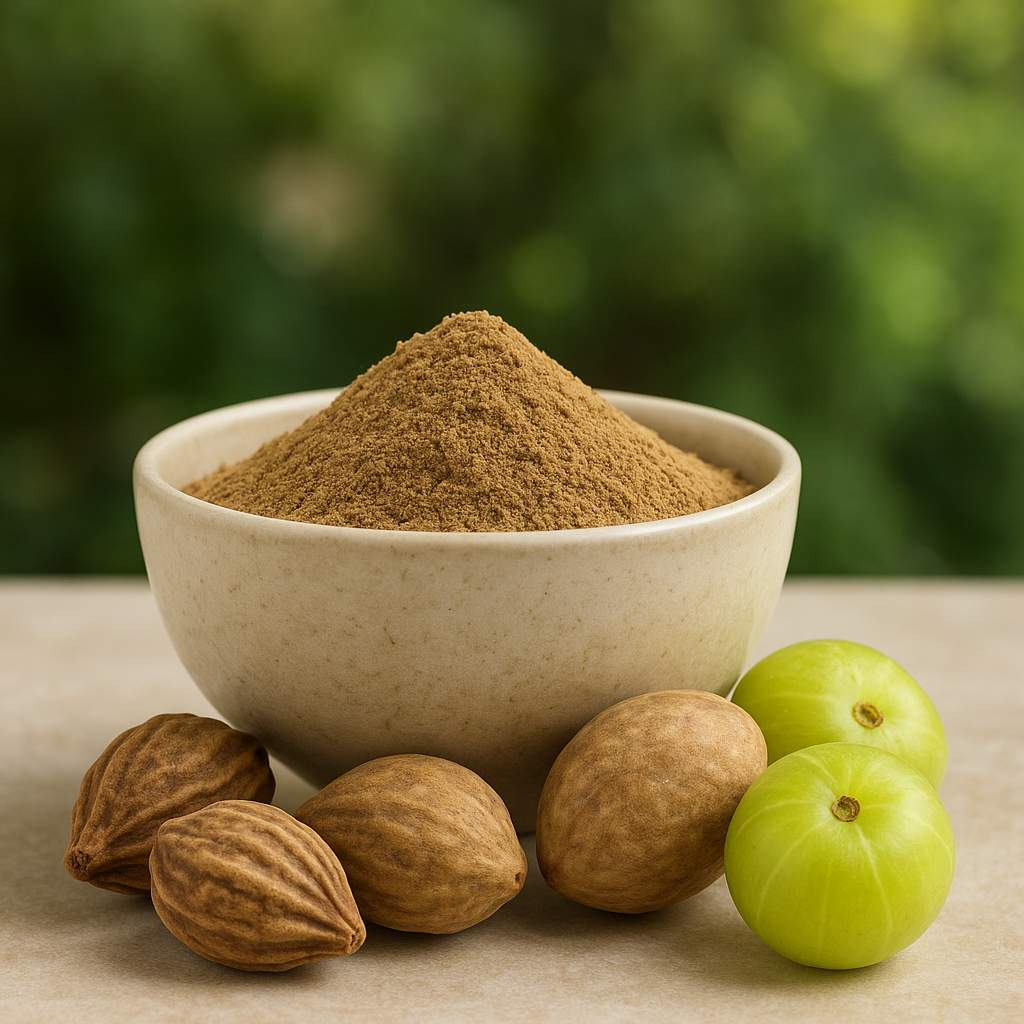
Triphala is a blend of three powerful fruits:
- Amla (Emblica officinalis) – Rich in Vitamin C and antioxidants, Amla strengthens the optic nerves and protects the retina from free radical damage.
- Haritaki (Terminalia chebula) – Known for its cleansing and rejuvenating effects, Haritaki supports detoxification and helps maintain healthy eye tissues.
- Bibhitaki (Terminalia bellirica) – Promotes proper vision by balancing Kapha and reducing inflammation in the eyes.
Together, these three herbs create a synergistic formula that detoxifies the body, supports digestion, balances doshas, and enhances overall eye health.
Ayurvedic Perspective on Eye Health
In Ayurveda, the eyes are considered the seat of Pitta dosha, especially the Alochaka Pitta, which governs visual perception. When this dosha becomes imbalanced due to poor diet, stress, or excessive screen exposure, vision problems may occur.
Triphala helps balance all three doshas — Vata, Pitta, and Kapha — but its cooling and cleansing nature makes it especially effective in calming Pitta, thereby restoring visual clarity and reducing eye strain. (Triphala for Eyes)
How Triphala Benefits the Eyes

1. Improves Vision Naturally
Triphala nourishes the optic nerves and retina, promoting better focus and clarity. Studies suggest that its antioxidant properties help protect the eyes from age-related macular degeneration and cataracts.
2. Reduces Eye Strain
Prolonged use of computers and mobile phones leads to digital eye strain. Triphala, when consumed or applied externally, provides a cooling and soothing effect to tired eyes.
3. Prevents Dry Eyes
Amla and Bibhitaki in Triphala help maintain proper tear secretion and moisture, offering relief to people suffering from dryness or irritation.
4. Detoxifies the Eyes
Triphala acts as a natural detoxifier, removing toxins from the body that may affect eye health. Regular use helps cleanse impurities and supports clear vision.
5. Delays Age-Related Vision Problems
The antioxidant-rich formula of Triphala protects the eyes from oxidative damage caused by UV rays, pollution, and aging, helping preserve youthful vision.
Scientific Research on Triphala for Eyes Health
Recent studies have validated the traditional claims of Ayurveda regarding Triphala’s ocular benefits.
- A study published in the Journal of Ayurveda and Integrative Medicine (2019) found that Triphala exhibits strong antioxidant and anti-inflammatory properties that can protect ocular tissues from oxidative stress.
- Research from Banaras Hindu University demonstrated that Triphala extracts help in reducing intraocular pressure, which may aid in preventing glaucoma.
- Another study in Phytotherapy Research highlighted Triphala’s ability to enhance collagen stability in the cornea, supporting stronger and healthier eyes.
These scientific validations confirm what Ayurveda has known for centuries — Triphala is truly an elixir for vision health.

How to Use Triphala for Eyes
1. Triphala Water Eye Wash
Ingredients:
- 1 teaspoon Triphala powder
- 1 glass of water
Method:
- Boil the water and add Triphala powder.
- Let it cool overnight.
- Strain the water using a fine cloth in the morning.
- Use the clear solution to wash your eyes.
Benefits:
This natural eye wash refreshes the eyes, reduces irritation, and clears dust or pollutants.
2. Triphala Powder for Oral Consumption
Dosage:
Take 1 teaspoon of Triphala powder with warm water or honey before bedtime.
Benefits:
Regular intake improves digestion, detoxifies the liver, and enhances overall vision by cleansing toxins from the bloodstream.
3. Triphala Ghee (Netra Tarpana Therapy)
In Ayurvedic eye therapy, Netra Tarpana involves applying medicated ghee around the eyes to nourish and rejuvenate them. Triphala Ghrita (ghee processed with Triphala) is specifically used for this treatment.
How it works:
Triphala Ghee lubricates the eyes, strengthens the optic nerves, and prevents dryness and fatigue.
Note:
This therapy should be done under the supervision of an Ayurvedic practitioner.
4. Triphala Eye Drops
Certain Ayurvedic pharmacies prepare sterile Triphala-based eye drops. These can be used to relieve dryness, itching, and redness. However, always consult a certified Ayurvedic doctor before using any product directly in the eyes.
Dietary & Lifestyle Tips to Support Eye Health
Using Triphala is more effective when supported by a balanced diet and lifestyle:
- Include Amla, carrots, spinach, and almonds in your daily meals.
- Stay hydrated and maintain regular sleep patterns.
- Follow the 20-20-20 rule: Every 20 minutes, look at something 20 feet away for 20 seconds.
- Avoid smoking and excessive caffeine, which may deplete essential eye nutrients.
- Perform eye yoga and blinking exercises daily.
Precautions and Side Effects
While Triphala is generally safe, it should be used in moderation.
- Pregnant or lactating women should consult their doctor before using Triphala.
- Overconsumption may lead to mild gastrointestinal discomfort.
- Always ensure you use high-quality, organic Triphala for purity and safety.
Conclusion
Triphala is more than just an herbal supplement—it’s a holistic remedy rooted in ancient wisdom. Its ability to balance doshas, detoxify the system, and rejuvenate the eyes makes it one of Ayurveda’s most valuable gifts for modern living.
Whether taken internally or used as an eye wash, Triphala offers a natural, safe, and time-tested way to enhance vision and protect your eyes from daily stress. For anyone seeking to improve their eyesight naturally, Triphala remains an unmatched Ayurvedic ally.
FAQs: Triphala for Eyes
1. Can Triphala really help improve eyesight naturally?
Yes, Triphala can truly support better vision when used consistently. Its blend of Amla, Haritaki, and Bibhitaki nourishes the optic nerves, improves blood flow, and protects the eyes from oxidative stress. Many people experience clearer vision and less strain over time — but patience and consistency are key, just as Ayurveda teaches.
2. How should I take Triphala for healthy eyes?
You can take Triphala in several ways. Most commonly, a teaspoon of Triphala powder mixed with warm water before bed helps detoxify the body and rejuvenate the eyes. Some also use Triphala water as an eye rinse or apply Triphala Ghee under Ayurvedic guidance. Always use pure, organic Triphala for the best results.
3. Is Triphala for eyes safe to use every day?
Yes, when taken in the right dosage, Triphala is safe for long-term use. It’s a gentle herbal blend that supports your body’s natural healing system. However, if you are pregnant, breastfeeding, or have chronic health issues, it’s wise to consult a qualified Ayurvedic doctor before starting regular use.
4. Can Triphala help with dry eyes or eye strain from screens?
Absolutely. Triphala’s cooling and anti-inflammatory nature makes it excellent for soothing eyes that feel tired, dry, or irritated due to long hours of mobile or computer use. It helps restore natural moisture and calm the eyes — a much-needed relief in today’s digital lifestyle.
5. How long does it take to see improvement in vision with Triphala?
Results vary from person to person, but most people notice subtle improvements within a few weeks of regular use. Remember, Ayurveda focuses on long-term healing, not quick fixes. Over time, Triphala helps strengthen your vision naturally, especially when combined with a balanced diet, proper rest, and eye exercises.
6. Are there any side effects of using Triphala for eyes?
Triphala is generally safe, but overuse may lead to mild stomach upset or loose motions due to its cleansing action. If you use Triphala water as an eye wash, make sure it’s filtered properly and sterile. Stop immediately if you feel irritation or discomfort and consult an Ayurvedic practitioner.
7. Can I use Triphala along with my regular eye drops or medicines?
Yes, you can continue your prescribed eye drops or medications while taking Triphala orally. However, do not replace prescribed medicines without consulting your doctor. Triphala complements modern eye care; it does not conflict with it.
8. Is Triphala good for age-related vision problems like cataracts?
Triphala cannot reverse cataracts, but it may help slow down their progression. Its antioxidants reduce oxidative stress, one of the main causes of age-related eye damage. With regular use, it supports overall eye vitality and keeps your vision sharper for longer.
9. Can children or elderly people use Triphala for eye health?
Yes, Triphala is safe for both children and the elderly when taken in small, age-appropriate doses. For children, start with a pinch of Triphala mixed in honey. For seniors, a mild Triphala tea or Triphala Ghee can help relieve dryness and strengthen vision naturally.
10. What other lifestyle tips can improve eye health along with Triphala?
Along with Triphala, eat a diet rich in carrots, Amla, spinach, and almonds. Limit screen time, sleep well, and follow the 20-20-20 rule — every 20 minutes, look at something 20 feet away for 20 seconds. Also, practice eye yoga and gentle blinking exercises to keep your eyes fresh and strong.
Your eyes are precious, and caring for them is an act of self-love. Ayurveda reminds us that good vision is not just about seeing clearly — it’s about perceiving the world with balance and clarity. Triphala helps you nurture that harmony, naturally and gently.
External References
1. Journal of Ayurveda and Integrative Medicine (J-AIM)
👉 According to a study published in the Journal of Ayurveda and Integrative Medicine, Triphala possesses strong antioxidant and anti-inflammatory properties that help protect ocular tissues from oxidative damage. This supports its traditional use in improving eyesight and reducing eye strain.
📘 Why it matters: This study validates the Ayurvedic wisdom behind using Triphala as a natural protector for eye health.
2. National Center for Biotechnology Information (NCBI)
👉 Research available on the NCBI database highlights Triphala’s role in reducing oxidative stress and maintaining ocular integrity. Its bioactive compounds—gallic acid, chebulinic acid, and ellagic acid—are known to shield the retina and optic nerves from degeneration.
📘 Why it matters: Scientific evidence continues to affirm Triphala for eyes , role in preventing age-related vision decline.
3. Phytotherapy Research Journal
👉 A research paper published in Phytotherapy Research demonstrated that Triphala extract enhances collagen stability in the cornea and improves wound healing in ocular tissues. This finding suggests its usefulness in strengthening and rejuvenating tired eyes.
📘 Why it matters: This confirms that Triphala isn’t just a detoxifier—it’s also a natural eye rejuvenator at the cellular level.