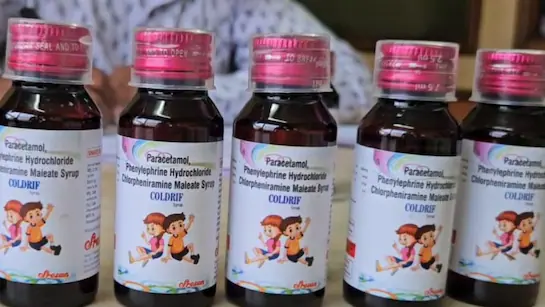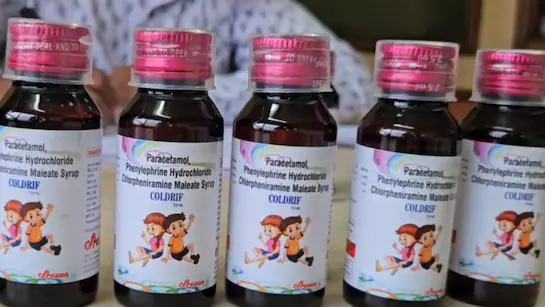
The tragic death of 16 children in Madhya Pradesh due to a toxic cough syrup highlights India’s recurring drug safety crisis. Learn what went wrong, the chemical cause, and how you can ensure your child’s safety by choosing verified medicines and natural remedies.
In oct 25, a heartbreaking incident in Madhya Pradesh (MP) sent shockwaves across India. Sixteen innocent children lost their lives after consuming a contaminated cough syrup manufactured by Shrison Pharmaceuticals. This tragedy was not just a medical failure but also a reflection of systemic negligence in India’s pharmaceutical regulation.
Investigations revealed that the syrup contained Diethylene Glycol (DEG) — a highly toxic industrial chemical commonly used in brake fluid and antifreeze. When ingested, DEG causes acute kidney failure, leading to multi-organ damage and, in many cases, death.
This article aims to spread awareness about the tragedy, the science behind such contamination, and how parents can protect their children from unsafe medicines in the future.
Understanding the Chemical Culprit: Diethylene Glycol (DEG)
Diethylene Glycol (DEG) is a clear, odorless liquid used in industrial manufacturing, not for human consumption.
When substituted for safe pharmaceutical-grade glycerin or propylene glycol (used as a solvent in syrups), it can cause fatal poisoning.
Toxicological effects of DEG:
- Kidney damage: DEG breaks down into metabolites that destroy kidney tissues.
- Neurological effects: It can lead to confusion, seizures, and coma.
- Gastrointestinal issues: Severe vomiting and abdominal pain occur in the early stages.
- Delayed symptoms: Toxic effects may take 24–72 hours to appear, complicating timely diagnosis.
Unfortunately, DEG has been a recurring cause of mass poisoning globally — from Panama (2006) to The Gambia (2022) — and now again in India.
The Madhya Pradesh Incident: What Happened
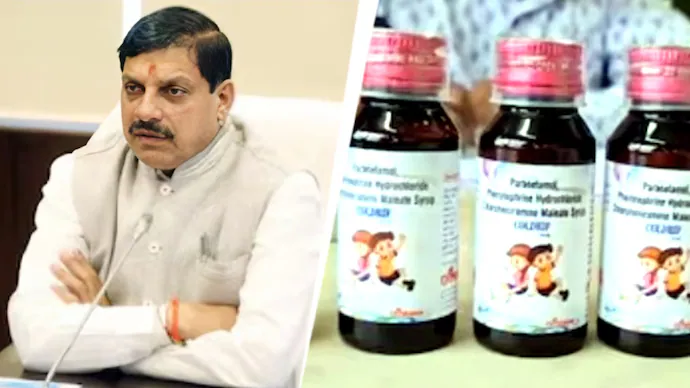
According to official reports, the children fell ill shortly after consuming a cough syrup supplied in local districts of Ujjain and surrounding areas. Parents initially assumed it was a regular illness, but when symptoms worsened — including vomiting, loss of appetite, and reduced urination — they rushed their children to hospitals.
Key findings from the investigation:
- Manufacturer: Shrison Pharmaceuticals, based in Indore, MP.
- Chemical contamination: Presence of Diethylene Glycol (DEG) detected in the batch samples.
- Batch recall: The entire batch was recalled after toxicological confirmation.
- Regulatory action: The state drug controller suspended the company’s license, and central agencies began further investigation.
Experts confirmed that substandard raw materials — particularly contaminated glycerin — were likely the source of DEG contamination.
History Repeats Itself: Previous Incidents in India
Sadly, this is not the first time DEG poisoning has claimed lives in India.
| Year | Location | Victims | Source |
|---|---|---|---|
| 1972 | Chennai | 14 children | Cough syrup contamination |
| 1986 | Mumbai | 14 children | Glycerin adulteration |
| 1998 | Gurgaon | 33 children | DEG in paracetamol syrup |
| 2019 | Jammu | 12 children | DEG-contaminated syrup |
| 2025 | Madhya Pradesh | 16 children | Shrison Pharma syrup |
Despite repeated warnings and guidelines, adulterated glycerin continues to enter the supply chain due to poor monitoring and lack of mandatory testing.
Regulatory Gaps and Accountability
The Central Drugs Standard Control Organization (CDSCO) is responsible for ensuring drug safety in India. However, regulatory lapses often occur due to:
- Inadequate lab testing of raw materials
- Unlicensed or semi-regulated manufacturers
- Weak supply chain verification
- Corruption and lack of enforcement
In this case, Shrison Pharmaceuticals allegedly failed to test raw glycerin batches for DEG presence — a violation of Rule 46 of the Drugs and Cosmetics Act, 1940.
Public health experts stress the need for mandatory raw material audits, batch-wise testing, and transparency in manufacturing data.
How DEG Causes Kidney Failure in Children
Children are particularly vulnerable to DEG poisoning because of their smaller body mass and underdeveloped detoxification systems.
Mechanism of toxicity:
- DEG metabolizes into 2-hydroxyethoxyacetic acid (HEAA).
- HEAA interferes with cellular metabolism and damages kidney tubules.
- This results in acute renal failure — where the kidneys stop filtering waste.
- Toxins accumulate, leading to death within days if untreated.
Symptoms usually appear after 24–48 hours:
- Nausea and vomiting
- Abdominal pain
- Swelling (edema)
- Reduced urination
- Convulsions and coma (in severe cases)
Immediate treatment with fomepizole or ethanol (antidotes for glycol poisoning) and dialysis can sometimes save lives — but early diagnosis is critical.
Lessons for Parents: Ensuring Medicine Safety
Parents can play a key role in preventing such tragedies by staying vigilant:
✅ Check the manufacturer and expiry date
Always verify if the product is from a licensed and reputed brand. Avoid medicines sold without proper labeling.
✅ Purchase only from trusted pharmacies
Avoid local or unverified sellers, especially in rural areas where counterfeit medicines circulate.
✅ Do not self-medicate
Even for cough and cold, always consult a pediatrician before giving syrup to a child.
✅ Look for unusual side effects
If your child vomits or appears lethargic after taking any syrup, stop immediately and consult a doctor.
✅ Store medicines safely
Keep syrups away from sunlight and ensure they’re stored at the recommended temperature.
Government Response and Future Action
After the MP tragedy, the Union Health Ministry initiated an all-India inspection of small and medium drug manufacturers. The government also plans to:
- Mandate DEG testing certificates before approval of glycerin consignments.
- Digitize drug traceability to track every raw material source.
- Enforce stricter penalties under the amended Drugs and Cosmetics Act.
Experts believe India must adopt a centralized real-time monitoring system, similar to the FDA’s Pharmaceutical Quality Database, to prevent such lapses in the future.
Health Awareness: Safe Alternatives for Children’s Cough
While medications are sometimes necessary, mild coughs in children can often be managed naturally.
Here are safe, home-based alternatives:
- Honey and Ginger Syrup (for kids above 1 year): Mix one teaspoon honey with fresh ginger juice.
- Steam Inhalation: Helps relieve nasal blockage and throat irritation.
- Tulsi and Mulethi Tea: Ayurvedic remedy to soothe cough and boost immunity.
- Warm Fluids: Soups or turmeric milk to keep hydration levels up.
- Humidifier Use: Keeps airways moist during dry weather.
(Always consult your pediatrician before using home remedies.)
Public Health Message: Awareness Can Save Lives
This tragedy reminds us that medicine safety is a shared responsibility.
Regulatory authorities must enforce laws, manufacturers must maintain quality, and parents must stay informed.
Raising awareness about toxic ingredients, fake medicines, and proper medication use can prevent the loss of innocent lives in the future.
Conclusion
The deaths of 16 children in Madhya Pradesh were entirely preventable.
They serve as a painful reminder of what happens when profit and negligence overshadow safety and responsibility.
As India’s pharmaceutical industry continues to grow globally, strict adherence to quality and ethics must be non-negotiable. Each tragedy should lead to reform — not just outrage.
Let this incident mark the beginning of a stronger, safer, and more transparent medical system — where no parent has to fear giving medicine to their child again.
FAQs
1. What caused the deaths in Madhya Pradesh?
The cough syrup contained Diethylene Glycol (DEG), a toxic chemical that caused acute kidney failure in children.
2. Which company made the contaminated syrup?
The syrup was produced by Shrison Pharmaceuticals, based in Indore, Madhya Pradesh.
3. How can I check if a medicine is safe for my child?
Always verify the brand, license, and manufacturing details on the label. Avoid unknown or unapproved brands.
4. What are the early signs of DEG poisoning?
Vomiting, reduced urination, abdominal pain, lethargy, and confusion are warning signs that require immediate medical help.
5. What steps is the government taking?
Authorities have suspended the company’s license and initiated nationwide testing of similar syrups.
6. How can parents prevent such tragedies?
Stay alert, buy only from trusted pharmacies, and never use leftover or unlabelled medicines.
External Reference Links
- Three states ban Coldrif cough syrup as tests confirm toxins amid child deaths
- Cough Syrup Row: Madhya Pradesh Bans ‘Coldrif’ After NDTV Report
- Coldrif cough syrup banned in Bengal after child deaths linked to it in Madhya Pradesh
Some internal healthy articles
- What Is Acidity? Causes, Natural & Ayurvedic Treatments, and Why It Worsens in Summer
- Harmful Effects of SLS and Parabens in Shampoo: Why You Should Switch to Safer Alternatives
- Mother’s Milk vs. Formula Milk vs. Open Milk: Which is Best for Your Baby?