
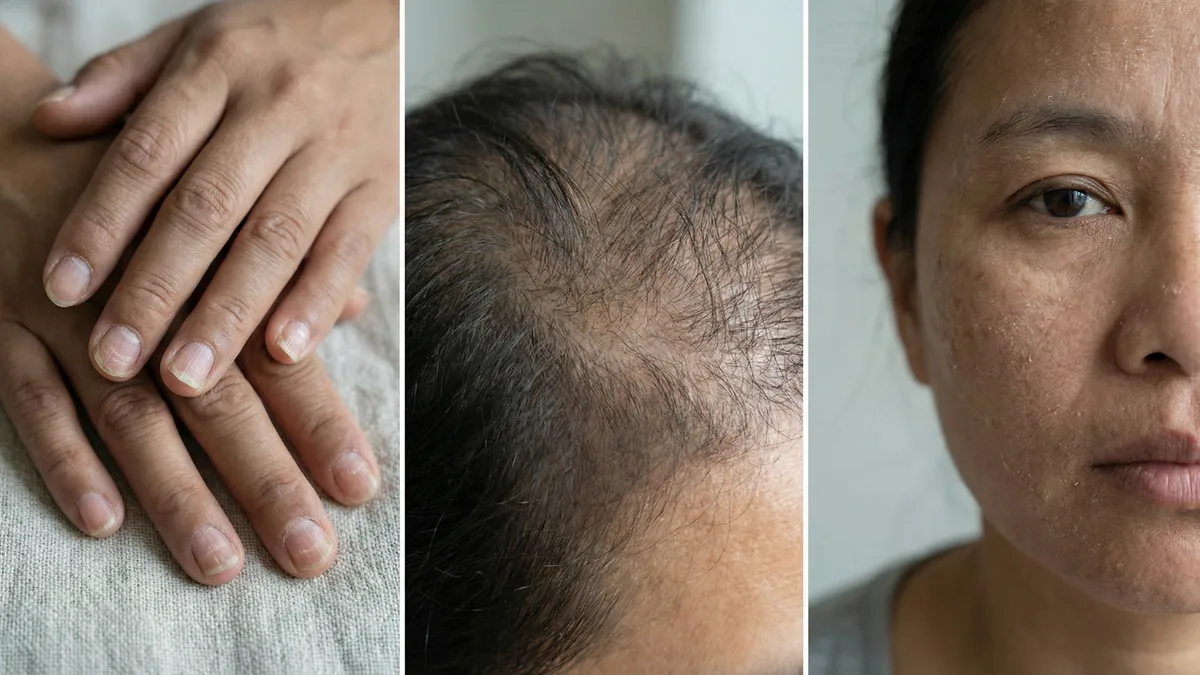
Your body often whispers before it screams.
Weak nails, excessive hair fall, dull skin — these are not cosmetic issues, they are early warning signals.
This article promises to help you identify protein deficiency early, understand why it happens, and fix it naturally before real damage begins.
Protein Deficiency is one of the most common yet ignored nutritional problems worldwide. People assume they are eating “enough,” but the body tells a very different story through nails, hair, skin, muscles, and immunity.
TL;DR – Quick Summary
- Protein Deficiency first affects nails, hair, and skin before serious health problems appear.
- Brittle nails, excessive hair fall, and dull skin are early warning signs, not cosmetic issues.
- Low protein intake weakens immunity, slows healing, and causes muscle loss over time.
- Most people develop Protein Deficiency due to carb-heavy diets and poor protein planning.
- Consistent, adequate protein intake can reverse early damage and restore strength naturally.
What Is Protein Deficiency and Why It Matters
Protein is not optional nutrition. It is a foundational nutrient responsible for growth, repair, hormones, enzymes, immunity, and structural strength.
When Protein Deficiency develops, the body enters survival mode.
It prioritizes vital organs like the brain and heart — and sacrifices “non-essential” areas first:
- Nails
- Hair
- Skin
- Muscle tissue
That’s why the earliest visible signs of Protein Deficiency appear externally.
Early Signs of Protein Deficiency on Nails
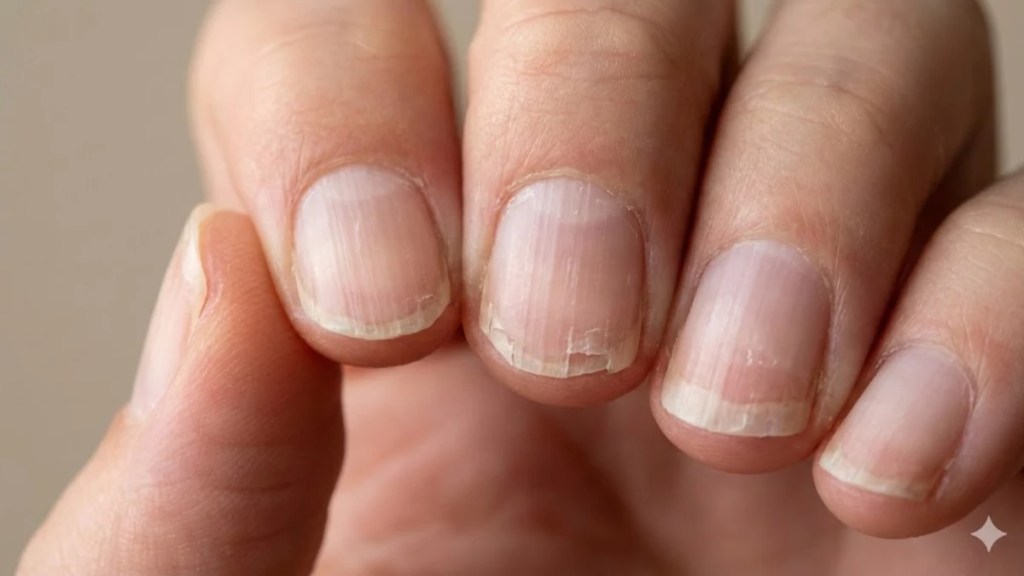
Weak, Brittle, Peeling Nails
Nails are made primarily of keratin, a structural protein.
When Protein Deficiency sets in:
- Nails become thin and soft
- Peeling and splitting increase
- Vertical ridges appear
- Nails break with minimal pressure
This is not a calcium problem in most cases — it is protein shortage at the cellular level.
Protein Deficiency and Excessive Hair Fall

Why Hair Suffers Early
Hair strands are almost entirely protein-based.
When intake drops, the body stops prioritizing hair growth.
Common signs:
- Sudden increase in hair fall
- Slower hair growth
- Thin, lifeless strands
- Hair losing shine and density
Chronic Protein Deficiency can push hair follicles into a prolonged resting phase, leading to diffuse hair thinning.
If hair fall is already visible, this guide explains the deeper causes and solutions:
Hair Fall Treatment: The Ultimate Guide to Why You’re Losing Hair and How You Actually Fix It
Dry, Dull and Dehydrated Skin: A Hidden Protein Signal
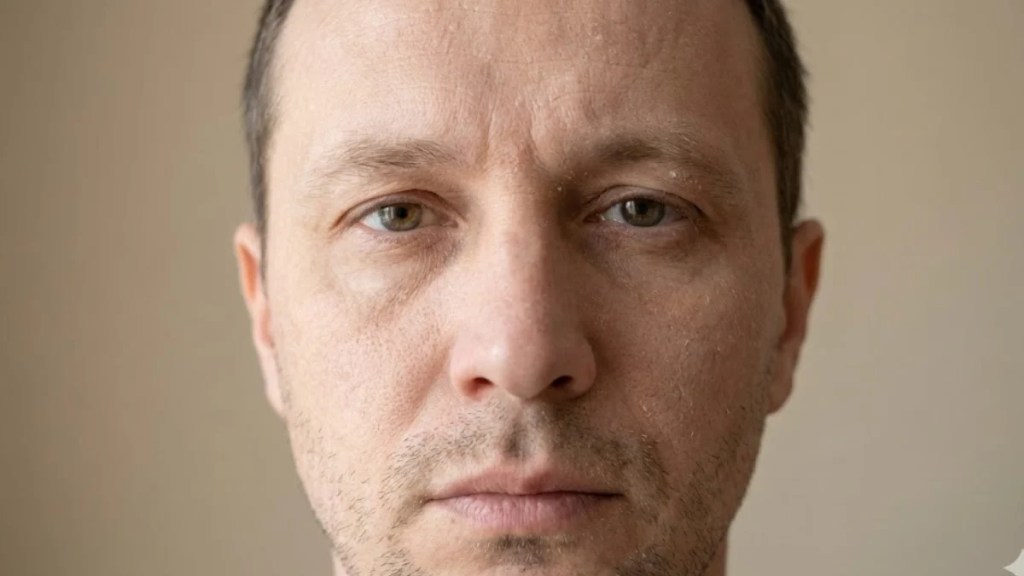
Protein and Skin Repair
Protein is essential for:
- Skin cell regeneration
- Collagen production
- Moisture retention
- Elasticity
In Protein Deficiency:
- Skin appears rough and tired
- Healing slows down
- Natural glow fades
- Fine lines look more prominent
This is not always a “skincare” issue — it is often internal malnutrition showing on the surface.
For seasonal skin stress and repair support, this article connects well here:
Keep Your Skin Healthy in October: Home Remedies, Seasonal Skincare Tips & Natural Treatments
Low Immunity and Frequent Illness
Why Protein Protects Your Defense System
Antibodies, immune cells, and repair enzymes are protein-based.
Protein Deficiency leads to:
- Frequent colds and infections
- Slow recovery
- Persistent fatigue
- Low energy despite adequate sleep
This is why people with poor protein intake feel “drained” even without heavy physical work.
Muscle Loss, Weakness and Body Aches
The Silent Damage of Protein Deficiency
When dietary protein is insufficient, the body breaks down muscle tissue to survive.
Results include:
- Muscle softness or shrinking
- Reduced strength
- Body aches
- Slower metabolism
This happens even in people who look “normal weight” — Protein Deficiency is not limited to underweight individuals.
Why Protein Deficiency Happens
Protein Deficiency rarely comes from starvation.
It usually develops due to modern eating patterns.
Common causes include:
- Carb-heavy, protein-poor diets
- Skipping meals
- Unplanned weight-loss diets
- Overdependence on processed foods
- High physical activity without nutrition support
- Poor protein planning in vegetarian or vegan diets
- Digestive or absorption issues
Nutritional gaps often overlap with hormonal stress, which can worsen visible skin changes. Understanding nutritional and hormonal skin issues helps identify the root cause instead of treating symptoms alone.
Who Is Most at Risk of Protein Deficiency
Protein Deficiency does not discriminate, but some groups are more vulnerable.
High-risk groups:
- Gym-goers and physically active individuals
- Children and teenagers in growth phase
- Pregnant and lactating women
- Elderly individuals
- Strict vegetarians without protein balance
- People replacing meals with snacks or fast food
Protein Deficiency Symptoms vs Causes (Quick Overview Table)
| Visible Sign | Likely Protein Issue | What It Indicates |
|---|---|---|
| Brittle nails | Keratin shortage | Structural protein loss |
| Hair fall | Follicle under-nutrition | Growth cycle disruption |
| Dry skin | Poor cell repair | Collagen & elastin drop |
| Weak immunity | Low antibody production | Reduced immune response |
| Muscle weakness | Muscle breakdown | Protein used for survival |
This table highlights how early Protein Deficiency symptoms directly reflect internal nutritional stress.
Natural Ways to Correct Protein Deficiency
1. Protein-Rich Pulses and Legumes
Lentils, chickpeas, kidney beans, soy products, and peas are excellent plant protein sources when combined properly.
2. Dairy for Easy Absorption
Milk, curd, paneer, buttermilk, and whey provide high biological value protein and are easier to digest for many people.
3. Nuts and Seeds for Daily Balance
Almonds, walnuts, pumpkin seeds, chia seeds, and flax seeds help close daily protein gaps while adding micronutrients.
4. Eggs, Fish and Lean Meat (If Consumed)
These are complete protein sources, supplying all essential amino acids required by the body.
How Much Protein Do You Actually Need
A simple global guideline:
1 gram of protein per kilogram of body weight
Example:
- 60 kg adult → ~60 grams protein/day
- Athletes or active individuals → 1.2–1.8 g/kg
Protein Deficiency often occurs because people underestimate their real requirement.
Warning Signs You Should Never Ignore
If these signs persist, Protein Deficiency is already affecting your system:
- Nails breaking without effort
- Excessive hair shedding
- Constant tiredness
- Skin losing vitality
- Muscles feeling soft or weak
- Wounds healing slowly
These are early alarms, not minor issues.
Conclusion: Listen to Your Body Before Damage Becomes Permanent
Protein Deficiency does not appear overnight — it builds silently and reveals itself through nails, hair, skin, and strength.
Ignoring these signs leads to deeper metabolic and immune damage over time.
The solution is not extreme diets or shortcuts.
The solution is consistent, adequate, intelligent protein intake.
Your body gives signals early — respect them, correct them, and protect your long-term health.
Nutrition repairs skin internally, but external protection still matters. For maintaining long-term skin protection, understanding how sunscreen interacts with skin health is equally important.
FAQs About Protein Deficiency
What are the earliest signs of protein deficiency?
The earliest signs of Protein Deficiency usually appear on nails, hair, and skin. Brittle nails, excessive hair fall, dull skin, fatigue, and slow healing are common early indicators.
Can protein deficiency cause hair fall even if weight is normal?
Yes. Protein Deficiency can cause hair fall even in people with normal body weight. Hair follicles require consistent protein supply, and deficiency affects hair growth before weight changes occur.
How long does it take to recover from protein deficiency?
Mild Protein Deficiency can improve within 4–6 weeks of proper protein intake. Visible changes in hair, nails, and skin may take longer, depending on severity and consistency of nutrition.
Is protein deficiency common in vegetarian diets?
Protein Deficiency is more common when vegetarian diets lack planning. With balanced pulses, dairy, nuts, and seeds, vegetarians can meet protein needs effectively.
How can I check if I have protein deficiency?
Protein Deficiency is suspected through symptoms like weakness, hair fall, brittle nails, and poor recovery. Blood tests and clinical evaluation can confirm deficiency accurately.
Disclaimer
This article is for educational purposes only and does not replace medical advice. Nutritional needs vary based on age, activity level, health conditions, and lifestyle. Consult a qualified healthcare professional before making major dietary changes.


5 thoughts on “Protein Deficiency: Early Warning Signs You Can See on Your Nails, Hair, and Skin”