
Discover the causes, symptoms, and best treatment options for ingrown toenails, including Ayurvedic and natural remedies. Learn how to relieve pain, prevent infection, and heal your feet naturally with expert-backed tips.
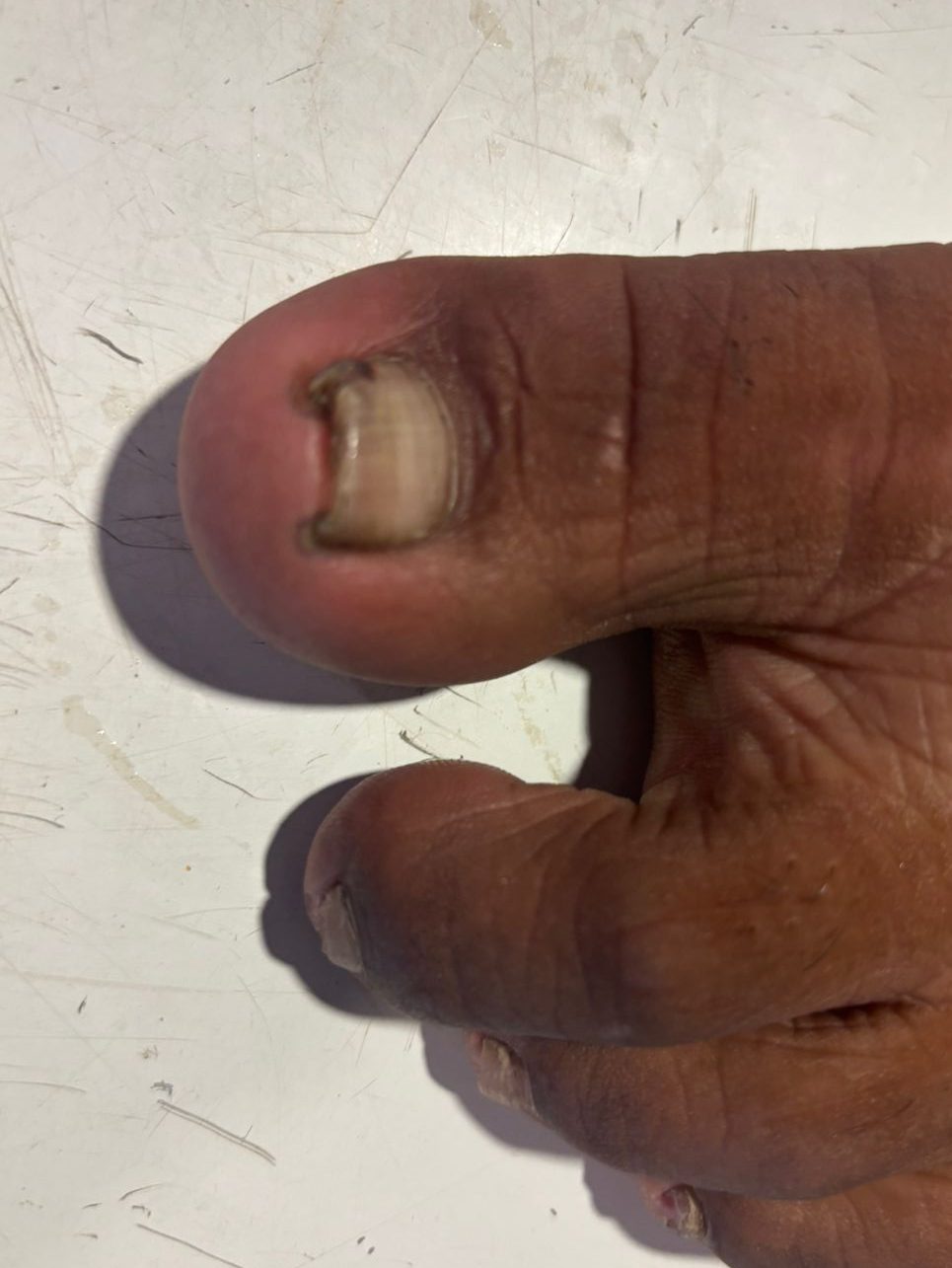
Ingrown toenails, medically known as Onychocryptosis, occur when the edge of the nail grows into the surrounding skin. This leads to pain, redness, swelling, and often increases the risk of infection. The condition most commonly affects the big toe. When the nail overgrows and curves inward, it presses into the skin. As a result, wearing shoes or slippers that apply pressure to the toes can become extremely uncomfortable and painful.
This condition is prevalent in all age groups but is especially common among adolescents, athletes, and individuals who wear tight footwear regularly. If left untreated, ingrown toenails can lead to serious infections, making early care essential.
What is an Ingrown Toenail?
An ingrown toenail happens when the nail plate penetrates the periungual skin, leading to inflammation and sometimes bacterial or fungal infection.
The big toe is most often affected because of the constant pressure from walking and footwear.
There are three stages of ingrown toenail:
Stage 1 – Mild: Redness, swelling, and tenderness.
Stage 2 – Moderate: Infection begins, with increased pain and possible discharge.
Stage 3 – Severe: Chronic infection, pus formation, and granulation tissue development.
Common Causes of Ingrown Toenails
Ingrown toenails don’t happen overnight — they often develop slowly because of a mix of daily habits, footwear choices, or even natural nail shape. Here are some of the most common reasons:
Improper Nail Trimming
Cutting your toenails too short or rounding off the corners might seem harmless, but it can actually encourage the nail to grow into the surrounding skin. Over time, this can lead to pain, swelling, or even infection.
Wearing Tight or Ill-Fitting Shoes
Shoes that squeeze your toes — especially high heels or narrow-front shoes — put constant pressure on the nails. This pressure pushes the nail edges inward, making it easier for them to grow into the skin.
Repetitive Stress or Toe Trauma
Activities like running, hiking, or playing football can put repeated stress on your toes. This constant pressure can change the way nails grow, increasing the risk of them becoming ingrown.
Natural Nail Shape or Genetics
Sometimes, it’s simply in your genes. If you naturally have wide or curved nails, you might be more prone to ingrown toenails, no matter how carefully you trim them.
Poor Foot Hygiene
Not keeping your feet clean and dry can create the perfect environment for bacteria and fungi to grow. This can make ingrown toenails more painful and harder to heal.
Posture and Walking Style
Believe it or not, the way you walk matters. An uneven walking pattern or posture can put extra pressure on certain nails, increasing the chances of them growing inward.
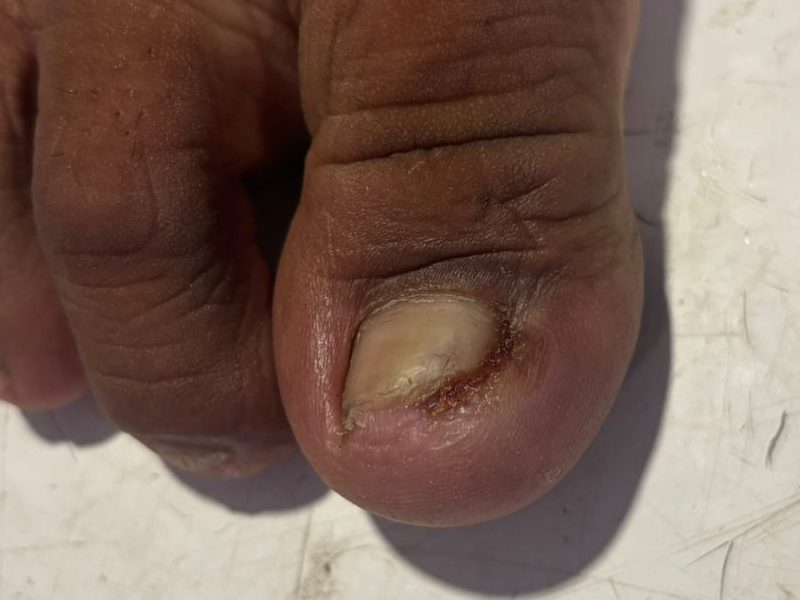
Symptoms of an Ingrown Toenail
Ingrown toenails often start with mild discomfort, but if ignored, they can quickly turn into something more serious. Here’s what you might notice:
Pain and Tenderness
The very first sign is usually a sharp or throbbing pain along one or both sides of the nail. Even light pressure from your shoes or bedsheet can feel uncomfortable.
Redness and Swelling
As the nail starts pressing into the skin, the area becomes red, swollen, and irritated. It may feel warm to the touch, which is your body’s way of responding to the irritation.
Warmth Around the Nail
The affected area might feel slightly warmer compared to the rest of your toe — a common sign that inflammation has started.
Pus or Discharge (Infection Sign)
If the condition isn’t treated early, an infection can set in. You may notice yellowish pus, discharge, or increased tenderness, indicating that bacteria have entered the area.
Overgrowth of Skin
In more advanced cases, you might see extra skin growing around the nail edge (known as granulation tissue). This makes the nail even more painful and harder to treat at home.
When to See a Doctor
If your symptoms worsen, the pain becomes unbearable, or you notice signs of infection spreading beyond the toe, it’s best to seek medical attention right away. Prompt care can prevent complications and speed up healing.
Medical Treatment Options for Ingrown Toenails
If home remedies aren’t giving you relief, or the infection has worsened, it’s important to seek proper medical care. Doctors have several safe and effective ways to treat ingrown toenails depending on how severe the condition is:
1. Warm Water Soaks
One of the first steps doctors may suggest is soaking your foot in warm, soapy water 2–3 times a day for about 15–20 minutes. This helps soften both the skin and the nail, reduces swelling, and can bring soothing relief. Sometimes, mild antiseptic solutions are also added to keep the area clean.
2. Topical Antibiotics
If there’s a risk of infection, your doctor might prescribe an antibiotic cream or ointment to apply directly to the affected area. This helps fight off bacteria and speeds up the healing process.
3. Nail Lifting or Packing
For mild to moderate cases, doctors often gently lift the edge of the ingrown nail and place a small piece of cotton or dental floss underneath. This encourages the nail to grow outward instead of digging into the skin. It might feel a bit strange at first, but it’s usually painless and quite effective.
4. Partial Nail Removal (Partial Nail Avulsion)
If soaking and packing don’t work, the next step may be to remove the ingrown portion of the nail. This is done under local anesthesia, so you won’t feel pain during the procedure. It provides quick relief and allows the skin to heal properly.
5. Total Nail Removal
For people who get frequent ingrown toenails on the same toe, doctors might recommend removing the entire nail. This prevents it from growing back into the skin repeatedly. Don’t worry — this is a safe and controlled procedure done under anesthesia.
6. Phenolization (Preventing Regrowth)
After removing part or all of the nail, a chemical called phenol may be applied to the nail matrix. This step prevents the problematic section of the nail from growing back, which greatly reduces the chances of recurrence.
Important: Self-surgery or aggressive cutting is not advised, as it may worsen infection.
Ayurvedic & Natural Remedies for Ingrown Toenails
Ayurveda believes in healing the body gently by reducing inflammation, softening the nail, and preventing infection — all through natural ingredients. If your ingrown toenail is in its early stages and not severely infected, these traditional remedies can offer soothing relief and support healing at home:
1. Turmeric & Rock Salt Foot Soak
This simple soak is both calming and therapeutic.
- Mix a bucket of warm water with a spoonful of turmeric powder and a generous pinch of rock salt.
- Soak your feet for about 15 minutes daily.
Turmeric’s natural antibacterial and anti-inflammatory properties help reduce pain, swelling, and prevent infection, while the salt gently softens the nail and surrounding skin.
2. Neem Oil Application
Neem oil has been a trusted Ayurvedic antiseptic for centuries.
- Gently apply cold-pressed neem oil to the affected area twice a day.
- It helps disinfect the area, reduces irritation, and supports faster healing.
If possible, let the oil absorb for a few minutes before covering your foot.
3. Castor Oil & Camphor Pack
This is an excellent remedy for softening hard nail edges.
- Warm a small amount of castor oil and mix in a pinch of camphor.
- Apply this mixture to the affected area and massage lightly.
It helps soften both the nail and skin, making it easier for the nail to grow out naturally.
4. Garlic Paste
Garlic is a natural powerhouse against bacteria.
- Crush a fresh garlic clove into a paste and apply it to the affected side of the nail.
- Leave it on for about 10 minutes, then rinse thoroughly with warm water.
Regular use can help control infection and soothe discomfort.
5. Fresh Aloe Vera Gel
Aloevera is a natural healer.
- Apply a layer of fresh aloe gel directly to the ingrown area.
- It cools the skin, eases pain, and reduces swelling, while supporting faster tissue repair.
For best results, use aloe straight from the plant.
Pro Tip:
While following these remedies, always keep your feet clean and dry. Wear open footwear or loose sandals to avoid unnecessary pressure on the affected toe. If pain or infection worsens, it’s best to consult a doctor rather than relying only on home remedies.
When to See a Doctor
While mild ingrown toenails can often be managed at home, it’s important to know when professional medical help is needed. Ignoring severe symptoms can make the condition worse and lead to complications. You should see a doctor without delay if:
1. The Pain Keeps Getting Worse
If your discomfort increases even after trying home remedies, or walking becomes painful, it’s a clear sign that the nail may have grown deeper or an infection is setting in.
2. There’s Pus, Swelling, or Spreading Redness
The appearance of pus, persistent swelling, or redness that spreads beyond the nail area indicates an active infection. At this stage, medical treatment is the safest and quickest way to heal.
3. You Have Underlying Health Conditions
If you have diabetes, poor blood circulation, or nerve damage, don’t wait for the problem to worsen. Even a minor infection can escalate quickly in these situations, so it’s best to consult a doctor as soon as you notice symptoms.
Remember: Getting timely medical care doesn’t mean your condition is serious — it simply ensures faster relief, prevents complications, and protects your overall foot health.
Frequently Asked Questions (FAQs) About Ingrown Toenails
Q1. Can ingrown toenails heal on their own?
In some mild cases, yes. With regular warm water soaks, keeping the area clean, and wearing open or comfortable footwear, the nail may slowly grow out on its own. However, if there’s pain, swelling, or signs of infection, it’s best to see a doctor for proper treatment.
Q2. Is it okay to cut the ingrown part myself?
It may be tempting, but cutting the nail yourself can make things worse. You might push the nail deeper, cause bleeding, or introduce infection. It’s always safer to let a doctor or podiatrist handle it.
Q3. Which Ayurvedic oil is best for ingrown toenails?
Neem oil and castor oil are both excellent natural options. Neem oil works as a powerful antiseptic and helps fight infection, while castor oil softens the nail and surrounding skin, making it easier for the nail to grow out naturally.
Q4. Can I prevent ingrown toenails from coming back after surgery?
Yes, absolutely. Once the nail heals, focus on trimming your nails straight across, avoiding tight shoes, and keeping your feet clean and dry. These simple habits go a long way in preventing recurrence.
Q5. Are ingrown toenails dangerous for people with diabetes?
Yes. People with diabetes, poor blood circulation, or nerve issues have a higher risk of complications because the healing process is slower. Even a small infection can spread quickly, so it’s important to seek medical help at the earliest sign of trouble.
External References
- Mayo Clinic: Ingrown Toenails https://www.mayoclinic.org/diseases-conditions/ingrown-toenails/symptoms-causes/syc-20355903
- NHS UK: Ingrown Toenail Overview https://www.nhs.uk/conditions/ingrown-toenail/
- PubMed Study on Onychocryptosis https://pubmed.ncbi.nlm.nih.gov/31361106/
Internal Links
- What is DHT? Effects on Hair Loss and Top Natural DHT Blockers to Prevent Hair Fall (Benefits & Side effects)
- https://naturaladda.in/2025/10/02/october-skin-care-tips/
- https://naturaladda.in/2025/09/30/acidity-treatment/
“Written by Abhishek Chouhan, Certified Nutritionist & Health Blogger (10+ Years Experience)”


